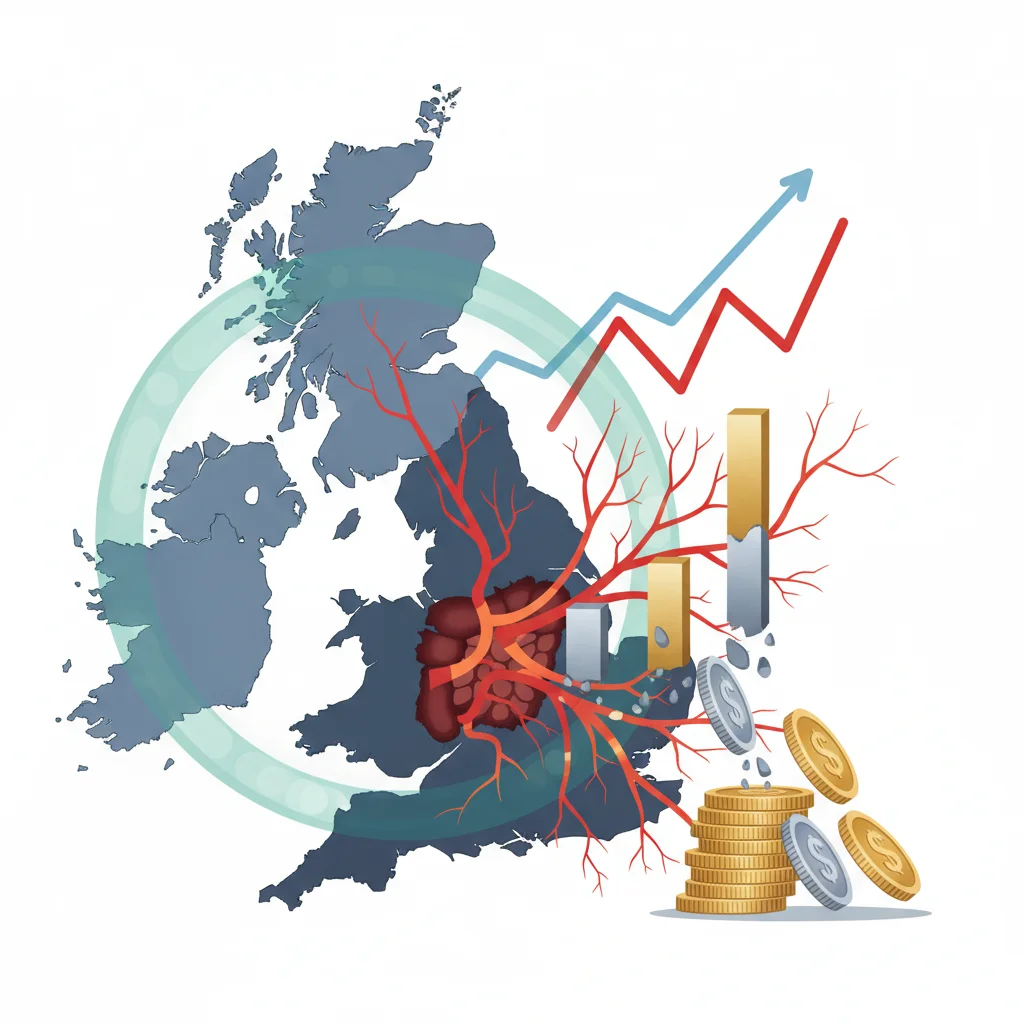
The Silent Crisis: Why Your Health is the Biggest Threat to the UK’s Financial Future
For years, the narrative surrounding the UK’s state pension crisis has been deceptively simple: we are living longer, and the national coffers can’t keep up. This longevity-focused view has driven policy debates, fueled intergenerational tensions, and shaped the landscape of personal finance. But what if this is only half the story? What if the real threat isn’t the length of our lives, but the quality of our health within those extended years?
A recent, incisive letter in the Financial Times by Professor Les Mayhew of Bayes Business School cuts through the noise, highlighting a far more alarming trend. The critical metric we’ve been overlooking is not just ‘life expectancy’ (LE), but ‘healthy life expectancy’ (HLE)—the number of years a person can expect to live in good health. And while we are indeed living longer, the data shows our years of good health are stagnating, or in some cases, even declining.
This creates a perilous economic double-whammy: a longer period of drawing a state pension, combined with a longer period of ill-health that places an immense burden on our already strained NHS and social care systems. This isn’t just a social issue; it’s a ticking fiscal time bomb with profound implications for the UK economy, the stock market, the banking sector, and every individual’s financial future.
The Great Divergence: When Longevity Outpaces Wellbeing
To understand the gravity of the situation, we must first distinguish between two key demographic metrics. Life Expectancy (LE) is the average number of years a person is expected to live. Healthy Life Expectancy (HLE) is the average number of years a person is expected to live in a state of “good” or “very good” health, based on self-reported assessments.
For decades, the two moved in relative harmony. As medical science and living standards improved, we lived longer and healthier lives. But recently, a dangerous gap has emerged. According to the Office for National Statistics (ONS), while overall life expectancy has continued its slow climb, healthy life expectancy has faltered. This means we are gaining extra years of life, but these years are increasingly marked by chronic illness, disability, and dependency.
Consider the data for the UK, which paints a stark picture of this growing divergence:
| Period | Male LE | Male HLE | Years in Poor Health (Male) | Female LE | Female HLE | Years in Poor Health (Female) |
|---|---|---|---|---|---|---|
| 2011-2013 | 79.0 | 63.2 | 15.8 | 82.8 | 63.9 | 18.9 |
| 2015-2017 | 79.2 | 63.3 | 15.9 | 82.9 | 63.7 | 19.2 |
| 2018-2020 | 79.0 | 63.1 | 15.9 | 82.9 | 63.9 | 19.0 |
Source: Adapted from ONS data on UK Health State Life Expectancies.
As the table illustrates, over the last decade, there has been virtually no improvement in Healthy Life Expectancy for either sex. Men can now expect to spend nearly 16 years in poor health, while for women, it’s a staggering 19 years. This is the silent crisis at the heart of our pension debate. We have successfully added years to life, but we have failed to add life to years.
The Pig and the Chicken: The Only Metaphor You Need for Success in Investing, Finance, and Business
The Fiscal Double-Whammy: A Threat to Economic Stability
This growing gap between lifespan and “healthspan” places an unsustainable strain on public finances, attacking the national balance sheet from two fronts.
- Increased Pension Liabilities: The state pension is a pay-as-you-go system, funded by today’s taxpayers. A longer period in retirement, regardless of health, means a longer period of drawing benefits, increasing the total liability for the state. This is the problem we already knew about.
- Exploding Healthcare and Social Care Costs: This is the new, more dangerous variable. The additional years of life spent in poor health are often the most expensive from a public services perspective. They involve more frequent hospital visits, complex medication regimes, and a greater need for long-term social care—costs that dwarf the state pension payout itself. A report from The Institute for Fiscal Studies (IFS) consistently highlights rising health and social care spending as one of the greatest long-term pressures on the UK’s fiscal sustainability.
This dual pressure forces the government into an impossible corner, with potential consequences that affect the entire economy. The options are all painful: raise the state pension age even further (penalizing those in manual labour who may not be able to work longer), increase taxes (stifling economic growth and reducing disposable income), or cut other public services (impacting infrastructure, education, and defence). This is no longer a simple question of retirement economics; it is a fundamental challenge to the UK’s long-term economic model.
The rise of the “unhealthy elderly” creates a new set of economic winners and losers. Sectors like specialised healthcare, biotechnology, and at-home care technology will likely see sustained growth. Conversely, industries reliant on discretionary spending by healthy, active retirees—like travel and high-end retail—may face headwinds. For investors, this means re-evaluating long-term holdings and looking beyond simple demographic growth. The new question is not “how many consumers will there be?” but “what will be the health and financial capacity of those consumers?” This health-pension nexus is the next great frontier of risk and opportunity in the stock market, and it demands a more nuanced approach to long-term financial planning.
Ripple Effects Across the Financial Markets and Beyond
The implications of this health crisis extend far beyond government budgets, sending shockwaves through every corner of the financial world.
Investing and the Stock Market
A less healthy, aging population alters the very fabric of the economy. Slower GDP growth, driven by reduced productivity and a shrinking tax base, can lead to lower long-term returns on the stock market. Investors must become more selective, focusing on companies that are either part of the solution (health-tech, preventative medicine) or resilient to these demographic pressures. Government bonds (gilts) may also become less attractive if the national debt balloons to cover spiraling healthcare costs, potentially leading to higher yields and lower prices.
Banking and Financial Technology (Fintech)
The traditional model of a 20-30 year retirement funded by a defined benefit pension is obsolete. The banking and financial services industries face immense pressure to innovate. We will see a growing demand for complex financial products that blend pension income, long-term care insurance, and health savings accounts. This is where financial technology, or fintech, can play a pivotal role. AI-driven financial advisors can help individuals create highly personalized retirement plans that model for potential health downturns. Innovative fintech platforms could offer new ways to save and invest specifically for future care costs, transforming the landscape of personal finance.
Beyond the Bill: Unpacking the Real Reasons for High Energy Prices in Italy and Europe
The Broader Economy and Trading
At a macroeconomic level, a nation’s health is its wealth. A workforce burdened by chronic illness is less productive, less innovative, and less dynamic. This can impact corporate earnings, reduce international competitiveness, and create volatility in currency and trading markets. The long-term health of the UK population is now a material factor for international investors and trading houses assessing the country’s economic prospects.
Charting a New Course: Policy, Technology, and Personal Action
Averting this crisis requires a multi-faceted approach that moves beyond simply adjusting the state pension age. It demands a radical rethinking of the relationship between health, work, and finance.
On the policy front, the government must shift from a reactive to a proactive stance. This means greater investment in public health and preventative medicine, aiming to increase “healthspan,” not just lifespan. Integrating health and social care systems to provide more efficient, holistic care is paramount. Furthermore, policies that encourage flexible work for older, skilled workers can help boost productivity and tax revenues.
Technology offers powerful tools. The convergence of fintech and health-tech can empower individuals with data and platforms to manage both their wealth and health simultaneously. Imagine a future where your banking app communicates with your health tracker, adjusting your financial plan based on real-time wellness data. While more speculative, technologies like blockchain could one day provide secure, portable health records, improving care efficiency and patient outcomes.
Ultimately, however, responsibility also falls on the individual. The new reality demands a proactive approach to personal finance and health. Building a robust private pension, considering investments that hedge against inflation and healthcare costs, and taking ownership of one’s physical wellbeing are no longer optional lifestyle choices; they are essential components of modern retirement planning.
Geopolitical Tremors: How US-Iran Tensions Could Reshape Your Investment Portfolio
The conversation started by Professor Mayhew’s letter is one we cannot afford to ignore. The UK’s state pension crisis is not a distant problem for future generations; it is a clear and present danger intertwined with our collective health. By focusing on improving healthy life expectancy, we not only create a better quality of life for citizens but also lay the foundation for a more sustainable and prosperous economic future. The health of the nation is, quite literally, the wealth of the nation.

Related Posts

UK’s Fiscal Surprise: Decoding the December Dip in Government Borrowing and What It Means for Investors

UK Government Borrowing Plummets: A Deep Dive into What This Means for the Economy, Investors, and Your Wallet