High-Stakes on the High Seas: The Economic Fallout of the Latest US-Venezuela Tanker Seizure
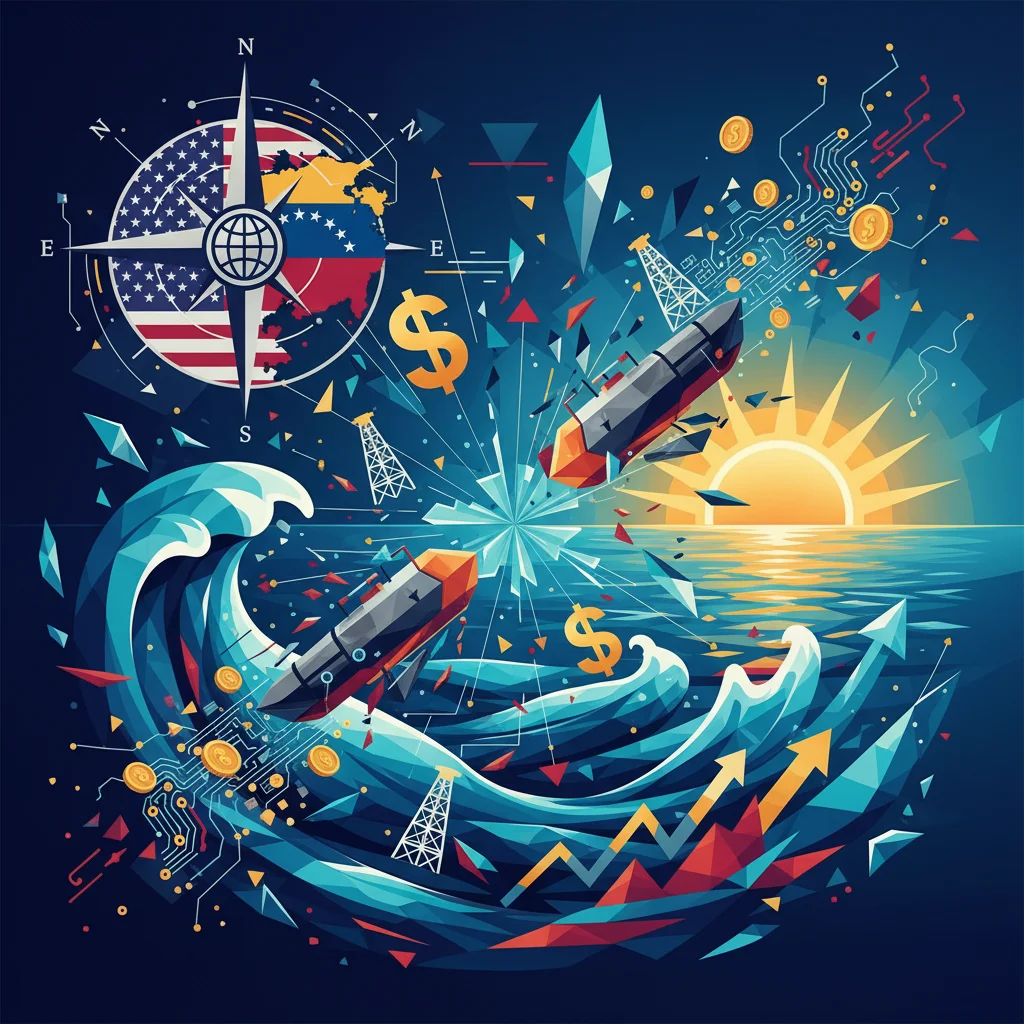
In the vast, churning expanse of the open ocean, a high-stakes drama is unfolding—one with profound implications for global energy markets, international relations, and the world of finance. The recent interception of another Venezuelan oil tanker by United States authorities is far more than a single law enforcement action; it is the latest salvo in a protracted economic conflict, a move that sends ripples across the global economy and directly impacts investors and business leaders.
This event, a stark reminder of the geopolitical tensions simmering beneath the surface of global commerce, underscores the complex interplay between national security, foreign policy, and market stability. For anyone involved in international trading, investing, or finance, understanding the nuances of this shadow war is no longer optional—it is essential for navigating an increasingly volatile landscape.
The Sanctioned Seas: A Brief History of the US-Venezuela Economic Standoff
To grasp the significance of a seized tanker, one must first understand the context of the comprehensive sanctions regime the U.S. has imposed on Venezuela. Initiated and expanded over the last decade, these measures target the government of Nicolás Maduro, aiming to cripple its financial lifelines, the vast majority of which flow from the state-owned oil company, Petróleos de Venezuela, S.A. (PDVSA).
The sanctions are designed to restrict PDVSA’s access to the U.S. financial system, prohibit transactions with the company, and block the sale of its crude oil on mainstream international markets. The stated goal is to pressure the Maduro regime towards democratic reform. However, the result has been a catastrophic decline in Venezuela’s oil production, which has plummeted from over 2.3 million barrels per day a decade ago to a fraction of that today. According to some reports, this has plunged the nation’s economy into a deep, protracted crisis, creating a humanitarian disaster while simultaneously forcing the regime to seek clandestine methods to export its most valuable commodity (source).
This economic warfare has given rise to a sophisticated network of illicit trade, a “ghost fleet” of aging tankers willing to risk seizure to transport sanctioned crude to buyers, primarily in Asia. These operators employ a range of tactics to evade detection, including:
- AIS Spoofing: Disabling or manipulating the Automatic Identification System (AIS) transponders that broadcast a ship’s location and identity.
- Ship-to-Ship Transfers: Moving cargo from one vessel to another in remote waters to obscure the oil’s origin.
- Document Forgery: Creating false bills of lading and certificates of origin to disguise the cargo as coming from a non-sanctioned country.
- Complex Ownership Structures: Using a web of shell companies to hide the true ownership of the vessels and the financial beneficiaries of the trade.
The latest interception represents a successful effort by U.S. authorities to penetrate this veil of secrecy, disrupting a multi-million dollar transaction and tightening the economic blockade. The Scrooge Paradox: Re-evaluating the Economics of Essential Services in the Wake of the Post Office Scandal
Anatomy of a Seizure: Deconstructing the Latest Incident
While specific details of the most recent operation remain closely held, it follows a familiar pattern. U.S. authorities, likely using a combination of satellite imagery, intelligence assets, and advanced data analytics from the world of financial technology, identified a tanker engaging in evasive maneuvers. The vessel, carrying a cargo of crude oil estimated to be worth tens of millions of dollars, was intercepted and diverted to a U.S. port, where the oil will be seized and sold, with proceeds often directed to a fund for victims of the Venezuelan regime.
The table below illustrates the potential financial impact of such a seizure, based on typical tanker sizes and recent oil price fluctuations.
| Tanker Class | Typical Capacity (Barrels) | Estimated Cargo Value (at $80/barrel) | Potential Market Impact |
|---|---|---|---|
| Aframax | 750,000 | $60,000,000 | Minor disruption to illicit supply chains |
| Suezmax | 1,000,000 | $80,000,000 | Significant financial blow to the seller |
| VLCC (Very Large Crude Carrier) | 2,000,000 | $160,000,000 | Major disruption and psychological market event |
The direct financial loss is significant for the Maduro government, but the secondary effects are even more potent. Each seizure increases the risk premium for shippers and insurers, making it more expensive and difficult for Venezuela to find partners willing to transport its oil. This strategic strangulation of logistics is a key pillar of the U.S. sanctions policy, a reality that has a direct, albeit complex, effect on the global oil trading environment and the energy-related stock market.
“Fifa will want their peace prize back”
This sharp, cynical quote, reportedly a reaction to the seizure from an observer, cuts to the heart of the controversy surrounding U.S. policy. It highlights a critical perspective: that while the U.S. frames its actions as promoting democracy and stability, others see them as aggressive economic measures that exacerbate suffering and escalate international tensions. The comment sardonically suggests that such confrontational tactics are the antithesis of peacemaking, a pointed critique of a foreign policy that wields the global banking and financial system as a weapon.
This viewpoint argues that broad-based sanctions, while damaging to the ruling elite, inflict the most severe pain on the general populace, deepening the humanitarian crisis without necessarily achieving the desired political change. Critics also point out that such policies can push sanctioned nations into closer alignment with U.S. adversaries, creating new geopolitical blocs that challenge the existing world order. This is not just a philosophical debate; it has real-world consequences for global supply chains and international cooperation on everything from climate change to security. The Multi-Billion Dollar Question: How a US-UK Trade Deal Could Reshape NHS Drug Pricing and Your Portfolio
Implications for Investors and the Global Economy
For the finance professional, investor, or business leader, these distant events carry immediate and tangible relevance. Here’s why this matters:
- Energy Market Volatility: While a single tanker’s worth of oil is a drop in the ocean of global supply, these enforcement actions introduce a “fear premium” into oil prices. The perception of tightening supply and escalating conflict in a major oil-producing region can cause price spikes, affecting everything from transportation costs to corporate earnings. Data from the U.S. Energy Information Administration (EIA) consistently shows a correlation between geopolitical events in oil regions and short-term price volatility.
- Geopolitical Risk Assessment: This incident is a clear signal that the U.S. is committed to enforcing its sanctions. Companies and investors with any exposure to Venezuela, or even to entities that might be unwittingly facilitating Venezuelan trade, face significant legal, reputational, and financial risk. The reach of U.S. secondary sanctions means that even non-U.S. firms can be targeted for doing business with sanctioned entities.
- The Future of Global Trade and Finance: The weaponization of the financial system is a defining trend of our time. It forces a re-evaluation of the architecture of global commerce. There is growing interest in alternative systems that could bypass U.S. oversight, with some analysts pointing to the potential of decentralized blockchain-based platforms or state-backed digital currencies as future tools to circumvent such controls. While still nascent, this trend could eventually fragment the global financial system, creating new challenges and opportunities for the banking sector.
As the U.S. continues to patrol these economic fault lines, the global business community must remain vigilant. The seizure of a lone tanker is a tactical move in a much larger strategic conflict—one that is reshaping the rules of international economics and redefining the nature of risk in the 21st century. The EU's High-Stakes Gamble: Why Diluting Corporate Due Diligence is a Losing Bet for the Global Economy
Conclusion: Navigating the Murky Waters Ahead
The interception of a Venezuelan oil tanker is a potent symbol of our era—a time defined by the collision of economic power, advanced technology, and enduring geopolitical rivalries. It demonstrates that sanctions are not just a matter of policy papers and diplomatic statements; they are enforced through concrete actions with real-world financial consequences.
For those in the world of finance and investing, the key is not to predict every individual event but to understand the underlying currents. The trend is toward greater enforcement, increased supply chain scrutiny, and a higher premium on geopolitical diligence. The tranquil surface of global trade is deceptive; beneath it lie powerful forces that can capsize the unprepared. Watching the horizon for the next tanker seizure is not just about observing the news—it’s about anticipating the next wave of global economic change.

Related Posts
Beyond the Blockade: How a Venezuelan Oil Tanker is Sending Ripples Through the Global Economy
The Other Side of Victory: Why a Forgotten History of VE Day Shapes Today’s Global Economy