The Great Tech Wall: Unpacking the TikTok Deal and Its Shockwaves for AI, Startups, and Global Innovation
The Deal That Shook the Tech World
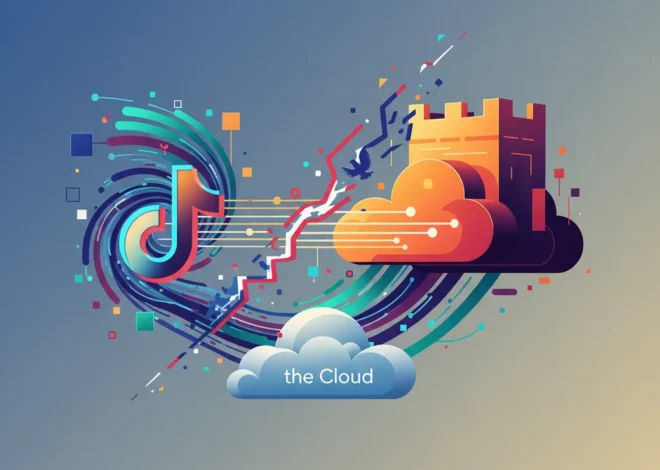
The digital world held its breath, and then it happened. After years of escalating tensions, political maneuvering, and high-stakes negotiations, the news broke: TikTok’s parent company, ByteDance, has reportedly signed a deal to divest its US operations. This isn’t just another tech acquisition; it’s a landmark event that signals the end of a multi-year saga, a geopolitical chess match played out on the screens of over 170 million Americans (source). But to see this as merely the sale of a popular video app is to miss the forest for the trees. This moment is a critical inflection point for the future of the internet, the governance of artificial intelligence, and the very nature of global business.
For developers, entrepreneurs, and tech professionals, the implications are profound. This deal forces us to confront uncomfortable questions about data sovereignty, the weaponization of AI, and the emerging “Splinternet”—a world where technology is fractured along geopolitical lines. What does it mean when a piece of software becomes a matter of national security? What happens when the most powerful machine learning algorithm in consumer tech is deemed too dangerous to operate under foreign ownership? Let’s unpack the layers of this historic deal and explore the shockwaves it’s sending through the entire tech ecosystem.
A Timeline of a Tech Cold War
This decision didn’t happen in a vacuum. It’s the culmination of a long and contentious battle between Washington and ByteDance, fueled by growing concerns over cybersecurity and data privacy. To understand the gravity of the situation, it helps to see how we got here. The timeline below highlights the key moments that led to this forced divestiture.
| Date | Key Event | Significance |
|---|---|---|
| August 2020 | Trump Administration Executive Orders | Initial attempts to ban TikTok or force a sale, citing national security risks under the International Emergency Economic Powers Act. This put the issue on the global stage. |
| June 2021 | Biden Administration Revokes Orders | President Biden replaced the Trump-era bans with a new executive order directing a broader review of foreign-owned apps, signaling a more systematic, less chaotic approach. |
| 2022-2023 | CFIUS Negotiations & Project Texas | The Committee on Foreign Investment in the United States (CFIUS) engaged in lengthy, secret negotiations with TikTok. TikTok proposed “Project Texas,” a $1.5 billion plan to isolate US user data in a dedicated cloud infrastructure managed by Oracle, but it failed to satisfy regulators. |
| March 2023 | TikTok CEO Testifies Before Congress | CEO Shou Zi Chew faced a grueling, bipartisan grilling from lawmakers, highlighting the deep-seated distrust in Washington and the political momentum for a ban or sale. |
| April 2024 | “Protecting Americans from Foreign Adversary Controlled Applications Act” | A bipartisan bill was passed and signed into law, giving ByteDance a clear ultimatum: sell TikTok’s US operations within a year or face a nationwide ban from app stores and web hosting services. This was the final legislative push that forced the deal (source). |
The Algorithm: More Than Just Code, It’s a Geopolitical Asset
At the heart of this entire conflict lies TikTok’s “secret sauce”: its astonishingly effective recommendation algorithm. This isn’t just a clever piece of programming; it’s one of the most sophisticated applications of consumer-facing artificial intelligence ever built. The algorithm’s ability to learn user preferences with uncanny speed and precision is what drives the platform’s addictive nature and explosive growth.
Here’s why it became a national security issue:
- Data as the Fuel: The machine learning models are fueled by vast amounts of user data—what you watch, how long you watch, who you follow, what you comment on, and even your keystroke patterns. The concern is that this sensitive data on millions of Americans could be accessed by the Chinese government, as ByteDance is a Chinese company subject to its national security laws.
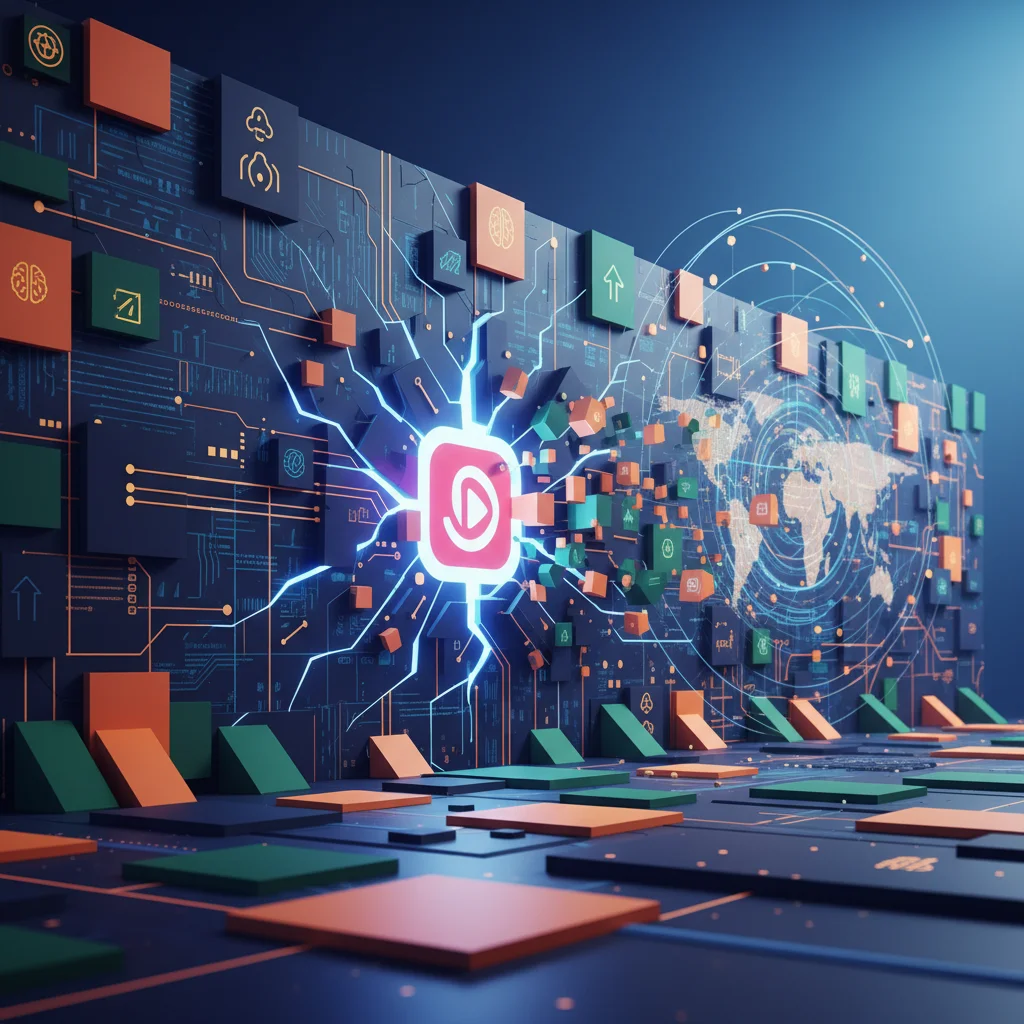
- The Technical Challenge of Separation: Carving out the US version of TikTok is a monumental engineering task. The algorithm is not a standalone SaaS product; it’s a deeply intertwined system of microservices, data pipelines, and proprietary code running on a global cloud infrastructure. Untangling the US-specific components while ensuring the app continues to function seamlessly is a multi-billion dollar challenge that requires immense expertise in software architecture and automation.
– The Power of Influence: Beyond data collection, the greater fear is the algorithm’s potential as a tool for narrative control. A foreign adversary could, in theory, subtly tweak the algorithm to amplify certain political messages, suppress others, or sow social discord. This represents a powerful, non-traditional threat to national sovereignty.
This forced sale is, therefore, a referendum on the concept of “algorithmic sovereignty.” The US government has effectively declared that a foreign-controlled AI of this power and influence is an unacceptable risk, setting a precedent that will echo across the tech industry for years to come. The Billion Collapse: Do Kwon, the Terra/Luna Crash, and a Cautionary Tale for Tech Innovators
The Ripple Effect: What This Means for You
The fallout from this deal extends far beyond the boardrooms of ByteDance and its potential US buyer. It creates both immense challenges and unique opportunities for the entire tech ecosystem, from individual developers to burgeoning startups.
For Developers and Tech Professionals:
The “new” US-based TikTok will become one of the most fascinating and challenging engineering projects in the world. The new owner will need to undertake a massive technological migration. This involves:
- Cloud Infrastructure Overhaul: Moving petabytes of data and a complex application stack from ByteDance’s infrastructure to a new, secure, US-based cloud environment.
- Cybersecurity Fortification: Building a fortress around US user data that can withstand the most sophisticated state-level threats and pass intense regulatory scrutiny.
- Algorithmic Reconstruction: The biggest question is whether the deal includes the source code for the recommendation engine. If not, the new company will need to assemble a world-class AI and machine learning team to rebuild a competitive algorithm from scratch—a monumental feat of innovation and engineering.
This creates a huge demand for talent in cloud architecture, data engineering, cybersecurity, and applied AI. It’s a career-defining opportunity for those who get to work on it.
The New Titans: Why TIME Magazine's Nod to AI's Architects is a Defining Moment for Our Future
For Entrepreneurs and Startups:
The TikTok saga is a masterclass in geopolitical risk. For startups, especially those in sensitive sectors like AI, social media, and data analytics, the lessons are clear:
- Geopolitical Due Diligence is Non-Negotiable: Understanding the political relationship between your home market and your target markets is now as important as product-market fit.
- Architect for Modularity: Design your software and infrastructure with potential regional divestiture in mind. A modular, region-agnostic tech stack could be a lifesaver if you’re ever forced to sell off a country’s operations.
- Opportunity in the Void: A change in TikTok’s ownership or a degradation of its algorithm during the transition could create a vacuum. This is a golden opportunity for innovative new social media startups to capture market share by offering novel experiences.
The era of frictionless global expansion for tech companies is over. Strategic planning must now account for the tectonic shifts in global politics. AI's Great Contradiction: Fueling a Data Center Boom While Crushing Call Centers—And Why Nuclear Power is the Shocking Next Chapter
A New Chapter for the Internet
The sale of TikTok’s US business is far more than a corporate transaction. It’s a foundational event that will be studied for decades, marking the moment when the worlds of code and geopolitics became irrevocably fused. It underscores the immense power that artificial intelligence now wields in our society and the desperate attempts by governments to control it.
As the dust settles, a new, more complex digital landscape will emerge—one defined by data borders, algorithmic audits, and intense national scrutiny. For the tech community, this is both a warning and a call to action. The challenge is to continue to foster innovation and build groundbreaking technology while navigating a world that is increasingly determined to put it in a box. The resolution of the TikTok saga won’t be the end of the story; it will be the blueprint for the next chapter of the internet.

Related Posts
The TikTok Deal: How a Geopolitical Showdown Redefined Cloud, AI, and Cybersecurity
TikTok’s Digital Iron Curtain: How ByteDance Averted a US Ban and Redefined Global Tech