Inflation Cools Faster Than Expected: A Deep Dive into What This Means for Your Wallet, Investments, and the UK Economy
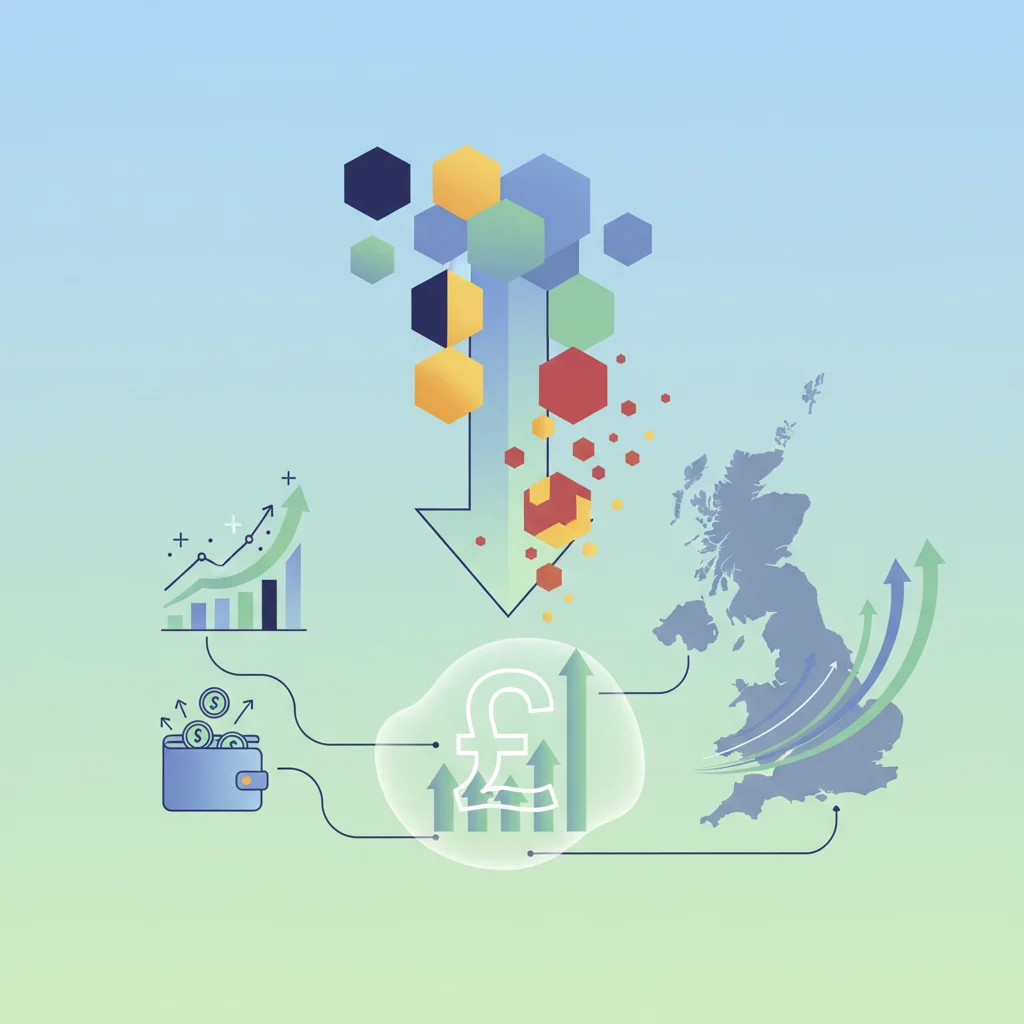
In a welcome turn of events for consumers and investors alike, the United Kingdom’s inflation rate has taken a steeper-than-anticipated dive. The latest figures reveal a significant cooling in price pressures, driven primarily by falling costs for clothing and food. This development marks a pivotal moment in the ongoing battle against the cost-of-living crisis and sends complex signals throughout the financial world, from the stock market to the central banking corridors.
According to the latest data, the Consumer Prices Index (CPI) showed a notable decrease in the year to November, a figure that came in below market consensus and represents a significant deceleration from the 3.6% recorded in the year to October (source). While this headline number is cause for cautious optimism, a deeper analysis is required to understand the underlying mechanics, the sustainability of this trend, and the strategic adjustments that business leaders and investors should consider in this evolving economic landscape.
Deconstructing the Data: What’s Behind the Inflationary Slowdown?
To truly grasp the significance of this news, we must look beyond the headline figure and examine the components driving the change. The Office for National Statistics (ONS) provides a detailed breakdown, which shows that the downward pressure came from several key areas of the economy. The most substantial contributions to the fall came from sectors that directly impact household budgets.
Here is a simplified breakdown of the key drivers contributing to the recent change in the CPIH (Consumer Prices Index including owner occupiers’ housing costs) annual rate, based on ONS analysis:
| Sector | Contribution to Change in Inflation Rate | Brief Analysis |
|---|---|---|
| Food & Non-alcoholic Beverages | Significant Downward Contribution | Easing global commodity prices and intense supermarket competition are finally translating to slower price growth on shelves. |
| Clothing & Footwear | Downward Contribution | Heavy pre-Christmas discounting and softer consumer demand have led retailers to cut prices to attract shoppers. |
| Recreation & Culture | Downward Contribution | Prices for package holidays and cultural goods have seen a seasonal or demand-driven decline, contributing to the overall cooling. |
| Transport | Slight Downward Contribution | A fall in average petrol and diesel prices has provided relief, although volatility in global oil markets remains a key watchpoint. (source) |
This data illustrates that the relief is being felt in tangible, everyday expenses. However, it’s crucial to note that “falling inflation” does not mean prices are dropping; it means they are rising at a slower pace. The cumulative impact of the past two years of high inflation continues to strain household finances, but this slowdown is the first critical step toward stabilization.
The Bartender's Test: Why AI Can't Replace the Human Touch in Finance
The Ripple Effect: Implications Across the Economic Spectrum
A shift in the inflationary trajectory is not an isolated event. It creates powerful ripples that touch every corner of the economy, influencing decisions from corporate boardrooms to individual investment portfolios.
For Consumers and Households:
The most immediate impact is on purchasing power. Slower price rises mean that wages, if they continue to grow, can stretch further. This can boost consumer confidence, potentially leading to increased spending in discretionary areas, which in turn supports economic growth. However, with interest rates still high, the cost of mortgages and loans remains a significant burden, offsetting some of the benefits.
For Businesses and Corporate Strategy:
For business leaders, cooling inflation can be a double-edged sword. On one hand, it means relief from soaring input costs for raw materials, energy, and shipping. This can improve profit margins and reduce the pressure for constant price hikes. On the other hand, it may signal weakening consumer demand, forcing companies to compete more aggressively on price and potentially squeezing margins if they cannot control other operational costs.
For the Stock Market and Investors:
Financial markets are forward-looking, and this data has profound implications for investing. The prospect of inflation being brought under control sooner than expected could lead the Bank of England to pivot on its monetary policy. This has already begun to influence trading in the bond markets, with yields falling in anticipation of potential future interest rate cuts. For the stock market, lower rates typically benefit growth-oriented sectors like technology and consumer discretionary stocks, which rely on future earnings that are less heavily discounted in a lower-rate environment.
The Investor’s Playbook: Navigating a Shifting Financial Landscape
With this new data, savvy investors and finance professionals must reassess their strategies. The economic narrative is shifting from “inflation crisis” to “path to normalization,” which requires a corresponding shift in portfolio allocation and risk management.
1. Reassessing Asset Allocation:
The high-inflation playbook favoured real assets like commodities and inflation-linked bonds. As inflation subsides, the focus may pivot back towards traditional equities and fixed-income securities. A sustained fall in inflation and interest rates would make bonds, whose prices move inversely to yields, significantly more attractive. This is a crucial moment for rebalancing portfolios away from purely defensive stances.
2. Sector-Specific Opportunities:
Certain sectors are poised to benefit more than others.
- Consumer Discretionary: Companies selling non-essential goods and services stand to gain as household budgets free up.
- Technology & Growth Stocks: These companies often rely on borrowing for expansion, and their future cash flows are more valuable when discounted at lower interest rates.
- Real Estate: Lower interest rates would reduce mortgage costs, potentially revitalizing a subdued housing market and benefiting property-related stocks.
3. The Role of Financial Technology (Fintech):
In today’s fast-moving markets, the role of financial technology is more critical than ever. Fintech platforms provide retail and institutional investors with the tools for real-time analysis, algorithmic trading, and diversified portfolio management. As economic data like this is released, fintech tools enable investors to react instantly, reallocating assets and hedging risks far more efficiently than was possible a decade ago. The democratization of sophisticated financial tools is a key theme in modern investing, allowing more participants to navigate complex economic shifts. The underlying architecture of banking and trading is being transformed by this technology, making the entire financial ecosystem more responsive.
The Renminbi's Silent Slide: Is China Waging a Stealth Currency War?
Beyond the Numbers: The Global Context and Future Outlook
It’s important to remember that the UK economy does not operate in a vacuum. Similar trends of disinflation are being observed in the US and Eurozone, suggesting a coordinated global slowdown in price pressures. This is largely due to the aggressive, synchronized interest rate hikes by central banks over the past 18 months and the untangling of post-pandemic supply chain disruptions. According to the International Monetary Fund’s latest outlook, global inflation is forecast to continue its decline, though geopolitical risks could still introduce volatility (source).
Looking ahead, the key metrics to watch will be wage growth, labour market data, and core inflation figures. While this November report is a significant step in the right direction, the journey back to stable, predictable economic growth is ongoing. The interplay between monetary policy, consumer behaviour, and global economic forces will dictate the trajectory for the coming year.
For those engaged in finance, economics, and investing, this is a moment of transition. The strategies that worked during a period of high and rising inflation must be re-evaluated. The new landscape calls for a nuanced approach that balances cautious optimism with a clear-eyed assessment of the remaining risks. The latest inflation data is not an end point, but rather a crucial new chapter in the post-pandemic economic story.
In conclusion, the unexpected drop in inflation is more than just a statistic; it’s a signal of a potential turning point for the UK economy. It offers a glimmer of hope for households, presents new challenges and opportunities for businesses, and demands a strategic rethink from investors. As we move forward, a deep understanding of the forces shaping our economy will be the most valuable asset in any financial toolkit.

Related Posts
Brace for Impact: How a UK Interest Rate Cut Will Reshape Your Finances and the Economy

Inflation Cools Faster Than Expected: A Turning Point for the UK Economy?