Red Alert: Why Taiwan’s Ban on a Chinese App is a Major Warning for Global Investors
In a move that reverberates far beyond its shores, Taiwan has officially banned the Chinese mobile application “RedNote” following allegations of widespread financial fraud. The decision, prompted by what authorities describe as millions of dollars in losses for Taiwanese citizens, is more than just a regulatory action against a single app. It’s a stark signal of the escalating complexities at the intersection of financial technology (fintech), international relations, and cybersecurity. For investors, finance professionals, and business leaders, this incident serves as a critical case study in the new era of geopolitical and digital risk that defines the modern global economy.
The core issue, as reported by authorities, involves a sophisticated scheme where users were lured into fraudulent investment opportunities, leading to catastrophic financial losses. According to the initial BBC report, the app was a conduit for scams that siphoned off significant sums from unsuspecting victims. But to dismiss this as a simple case of digital thievery would be to miss the bigger picture. The ban highlights a growing trend where national security concerns and economic protectionism are increasingly shaping the landscape of financial technology and cross-border data flows.
The Anatomy of a 21st-Century Financial Trap
While details specific to the “RedNote” app’s mechanics are still emerging, the scheme bears the hallmarks of modern investment fraud, often dubbed “pig butchering” scams. These are not simple smash-and-grab cyberattacks; they are meticulously planned psychological operations that leverage the very best of modern technology to exploit human trust.
These scams typically unfold in predictable stages, blending social engineering with deceptive fintech platforms. The goal is to “fatten up the pig” (the victim) with a series of small, seemingly successful investments before the “butchering”—the point where the victim’s entire capital is stolen. The sophistication of these operations represents a quantum leap in financial crime, moving far beyond the Nigerian prince emails of the past.
Below is a breakdown of how these fraudulent investment schemes, similar to the one alleged with RedNote, typically operate:
| Stage | Description of Attacker’s Actions | Victim’s Experience |
|---|---|---|
| 1. The Hook | Scammers make initial contact through social media, dating apps, or professional networks. They build a relationship of trust over weeks or months, often posing as a successful investor or entrepreneur. | The victim believes they are forming a genuine friendship or romantic connection with a charismatic and knowledgeable individual. |
| 2. The Lure | The scammer casually introduces a “secret” or “exclusive” investment opportunity, often in cryptocurrency or foreign exchange trading, promising unusually high and consistent returns. | Intrigued by the scammer’s apparent success and the promise of easy money, the victim expresses interest. |
| 3. The Platform | The victim is directed to download a sophisticated-looking mobile app or visit a professional website (like RedNote). This platform is a complete fabrication, controlled entirely by the scammers. | The victim deposits a small amount of money to test the waters. The app’s interface shows impressive gains, reinforcing their trust. They can even successfully withdraw small profits initially. |
| 4. The Fattening | Encouraged by early “success,” the victim is persuaded to invest larger sums of money. The scammer uses high-pressure tactics, creating a sense of urgency around “limited-time” opportunities. | The victim’s on-screen portfolio grows exponentially, leading them to invest their life savings, take out loans, or borrow from family. |
| 5. The Slaughter | When the victim attempts to withdraw a large sum, the request is denied. The scammers demand exorbitant “taxes” or “fees” to release the funds. Once paid, they disappear, and the app and website go dark. | The victim realizes their entire investment is gone. The scammer cuts all contact, leaving the victim with devastating financial and emotional losses. |
The global scale of such fraud is staggering. While specific numbers for the RedNote case are being tallied, enforcement actions worldwide reveal a multi-billion dollar illicit industry. For instance, the U.S. Department of Justice has undertaken nationwide enforcement actions to combat these schemes, highlighting their pervasive and devastating impact on the economy (source).
The AI Hail Mary: Is This Tech Gamble Our Last, Best Hope or an Existential Threat?
More Than Money: Geopolitics and the Digital Iron Curtain
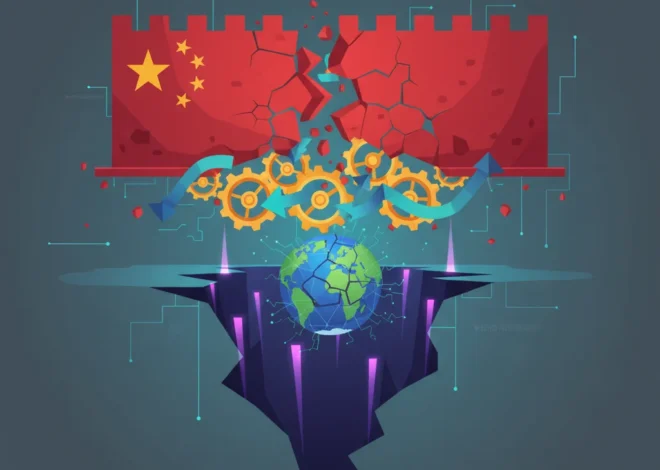
Taiwan’s decision to outright ban the RedNote app, rather than simply issue a public warning, is deeply rooted in the complex and often fraught relationship it has with mainland China. This action cannot be viewed in a vacuum; it is part of a broader pattern of “digital decoupling” and heightened scrutiny of technology originating from geopolitical rivals.
For Taipei, an app developed or hosted in China presents a multi-layered threat:
- Economic Security: The direct financial harm to its citizens is a primary concern. A failure to act decisively could undermine confidence in the digital banking and investing ecosystem.
- Data Security: Chinese technology companies are subject to national security laws that can compel them to share data with the government. For Taiwan, the risk of sensitive personal and financial data of its citizens being harvested by a geopolitical adversary is a non-negotiable red line.
- Social Influence: Beyond data, there are concerns that such platforms could be used to spread disinformation or influence public opinion, a tactic of “cognitive warfare” that Taiwan frequently accuses Beijing of employing.
This situation mirrors similar concerns in the West, most notably the ongoing debates surrounding TikTok. Taiwan has previously launched probes into TikTok over suspected illegal operations and its ties to its Chinese parent company, ByteDance (source). The RedNote ban is a logical, if more severe, extension of this policy of digital vigilance. It suggests a move towards a more proactive, preventative posture where apps from potentially hostile states are deemed guilty until proven innocent.
Implications for the Global Financial Landscape
The fallout from the RedNote affair extends far beyond the individuals who lost money. It sends powerful ripples across the entire financial industry, impacting investors, fintech innovators, and regulators alike.
For Investors and Finance Professionals:
The primary lesson is the critical need for enhanced due diligence. The allure of high returns offered by new financial technology platforms can be intoxicating, but it can also mask profound risks. The RedNote case underscores that assessing a platform’s legitimacy now requires more than just checking its features and promised returns. It demands a critical look at its corporate structure, country of origin, data privacy policies, and regulatory standing. The source of capital and technology is no longer a trivial detail but a core component of risk management in modern investing.
From World's Factory to Innovation Engine: Is China Redefining the Global Tech Race?
For the Fintech Industry:
This incident is a double-edged sword. On one hand, it damages public trust in digital finance, making it harder for legitimate startups to acquire customers. On the other, it creates a powerful incentive for legitimate companies to differentiate themselves through transparency, robust security, and regulatory compliance. Fintech firms that prioritize building trust and can clearly articulate their security measures will have a significant competitive advantage. The era of “move fast and break things” in finance is unequivocally over; the future belongs to those who “move carefully and build trust.” The use of technologies like blockchain for transparent record-keeping could become a key differentiator for platforms seeking to prove their legitimacy.
For Regulators and Governments:
The challenge for regulators is immense. They must strike a delicate balance between fostering innovation in the stock market and digital banking sectors and protecting consumers from increasingly sophisticated threats. Over-regulation can stifle economic growth, but under-regulation can lead to catastrophic losses and erode faith in the financial system. The RedNote ban suggests a shift towards more decisive, albeit blunt, regulatory tools when cross-border threats are involved. We are likely to see increased international cooperation among regulators in allied nations to share threat intelligence and create common standards for vetting high-risk financial applications.
The global cost of economic crime is a significant drain on the world’s resources and a major threat to corporate and individual financial health. According to PwC’s Global Economic Crime Survey, fraud remains a persistent and evolving challenge for organizations worldwide, with cybercrime being one of the most disruptive forces (source). Events like the RedNote fraud contribute directly to these staggering figures.
The British Paradox: Why a Global Financial Hub Scorns Wealth Creation
Conclusion: Navigating the New Frontier of Financial Risk
The ban of the RedNote app in Taiwan is a pivotal event that crystallizes the defining challenges of our time. It’s a story of crime, but also one of sovereignty, technology, and trust. It demonstrates that in the 21st-century global economy, a line of code can be a financial tool, a data-gathering instrument, and a vector for geopolitical influence all at once.
For anyone involved in finance, from the individual investor managing their portfolio to the CEO of a multinational bank, the message is clear: the landscape has changed. The digital world is no longer a neutral playing field. It is an arena where economic and political forces collide with increasing frequency and impact. Understanding this new reality is the first and most crucial step in navigating it successfully.