TikTok’s Great Wall: Inside the High-Stakes Tech Divorce Reshaping AI, Cloud, and Cybersecurity
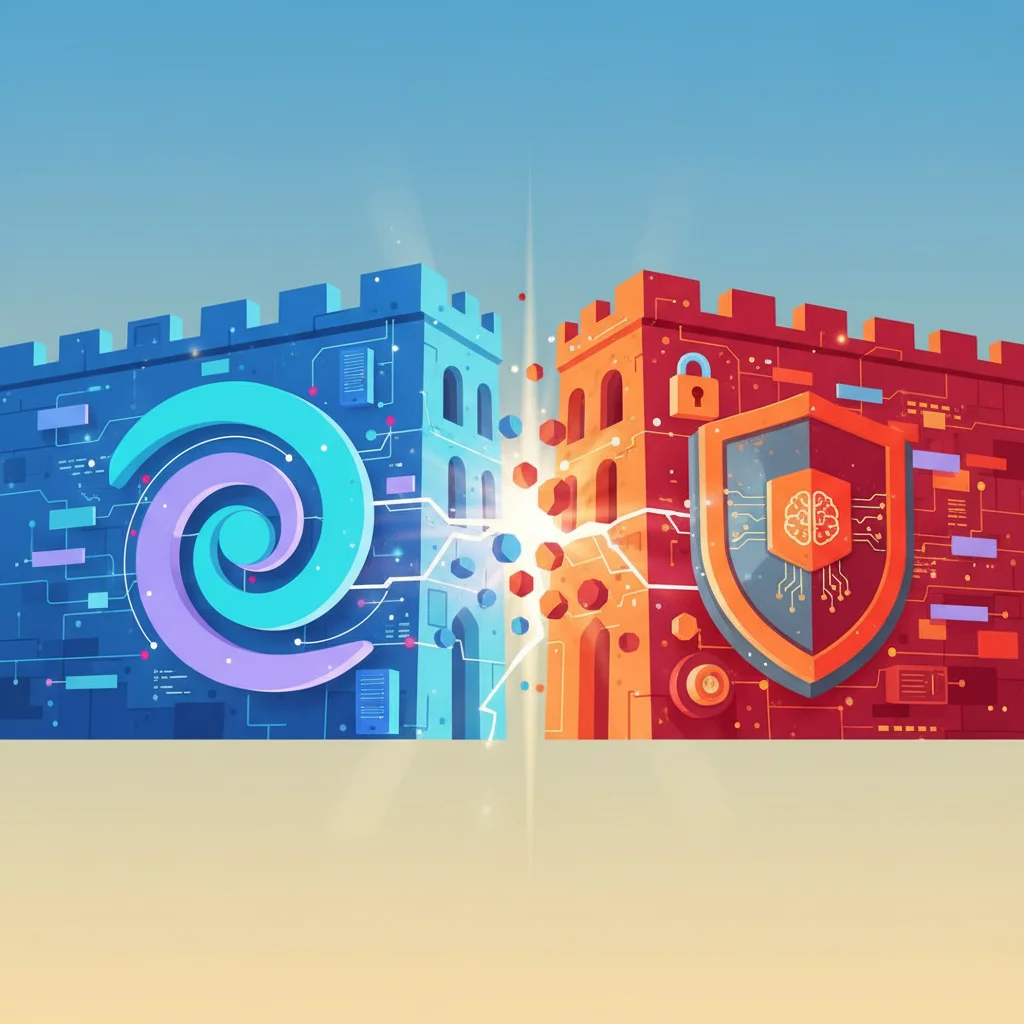
It was the tech showdown that had the world watching. A little over a year ago, TikTok, the viral video behemoth, was on the brink of being banned in the United States. The ultimatum from Washington was clear: divest your US operations, or disappear from American app stores. Fast forward to today, and the dust is settling on a landmark deal that could redefine how global technology companies operate. TikTok has closed a deal to functionally split its US app from its global business, creating what is essentially a digital fortress around American user data. The BBC reports this move as the culmination of a long and tense negotiation, but the real story lies in the technical and strategic complexities of this unprecedented arrangement.
This isn’t just a corporate restructuring; it’s a massive undertaking in software engineering, cloud architecture, and cybersecurity. It’s a blueprint for a new era of “digital nationalism” where data, algorithms, and source code are subject to geopolitical boundaries. For developers, entrepreneurs, and tech professionals, the implications are profound. This case study touches on everything from cloud infrastructure and SaaS models to the very nature of artificial intelligence governance. So, let’s pull back the curtain on “Project Texas” and explore the intricate technical divorce that aims to keep the music playing for 150 million American users.
The Geopolitical Chess Match: Why a Digital Wall Was Necessary
To understand the “how,” we must first revisit the “why.” The concern, articulated by US lawmakers and intelligence agencies, centered on TikTok’s parent company, ByteDance, and its ties to the Chinese government. The fear was twofold: first, that the Chinese government could compel ByteDance to hand over sensitive data on millions of Americans; and second, that it could manipulate the app’s powerful recommendation algorithm to push propaganda or censorship. These weren’t just abstract fears; they were rooted in China’s national security laws, which can require companies to cooperate with intelligence-gathering efforts.
This led to an intense review by the Committee on Foreign Investment in the United States (CFIUS), a government body that scrutinizes foreign acquisitions of American companies for national security risks. The resulting pressure culminated in a plan, codenamed “Project Texas,” designed to build a firewall between TikTok’s US operations and its Chinese parent. The goal was to create a system where US user data is stored, managed, and monitored exclusively within the United States, by a US-based company, offering unprecedented transparency to US authorities.
From 'Quick' to Colossal: The Unlikely Story of Wikipedia's Name and Its Future in the Age of AI
Deconstructing “Project Texas”: A Feat of Technical Engineering
Calling Project Texas a simple business deal is like calling a moon mission a “trip.” It’s a colossal effort involving data migration, source code auditing, and a complete re-architecting of its cloud infrastructure. The solution rests on a multi-billion dollar partnership with Oracle, a titan in enterprise software and cloud computing.
Here’s a breakdown of the key technical pillars of this new structure:
1. Cloud Infrastructure and Data Sovereignty
The most significant change is the migration of all US user data to Oracle’s Cloud Infrastructure (OCI). Previously, this data was stored on servers in Virginia and Singapore. Now, 100% of US traffic is being routed through OCI’s stateside data centers. This move is more than just changing hosting providers; it’s a fundamental step towards data sovereignty. By keeping the data physically within US borders and under the control of a US company, TikTok aims to legally and technically shield it from foreign access. This is a massive undertaking in cloud migration, likely involving petabytes of data and requiring immense automation to ensure a seamless transition for users.
2. Unprecedented Source Code Scrutiny
This is where the plan gets really interesting for anyone in software development and cybersecurity. Oracle isn’t just hosting the data; it’s been tasked with inspecting TikTok’s source code and recommendation algorithms. This means Oracle’s engineers have the right to examine the very programming that powers the app, looking for backdoors, security vulnerabilities, or any code that could allow for data exfiltration or undue manipulation by ByteDance. This level of third-party oversight into a proprietary, high-value algorithm is virtually unheard of and sets a major precedent for software and SaaS companies operating in sensitive markets.
3. The AI Algorithm Dilemma
The crown jewel of TikTok is its “For You” page, a spookily accurate content recommendation engine powered by sophisticated artificial intelligence and machine learning models. This AI is the secret sauce. The challenge for Project Texas is to ensure this algorithm isn’t being subtly tweaked from abroad to serve foreign interests. While Oracle can vet the code, the dynamic nature of machine learning presents a unique problem. Models are constantly retrained on new data. How do you ensure the training process itself is free from manipulation? This question remains one of the most contentious and technically complex aspects of the deal, highlighting the new frontier of AI governance and cybersecurity.
To visualize the magnitude of this operational shift, consider the before-and-after state of TikTok’s US operations:
| Operational Component | Old Model (Pre-Project Texas) | New Model (Project Texas) |
|---|---|---|
| Data Storage | Servers in Virginia (US) and Singapore, controlled by ByteDance. | Exclusively on Oracle Cloud Infrastructure (OCI) within the US. |
| Data Access & Management | Managed by global teams, including engineers in China. | Managed by a dedicated US-based entity (TikTok US Data Security Inc.). |
| Source Code Oversight | Internal ByteDance review. No external US government oversight. | Vetted and monitored by Oracle’s dedicated technology team. |
| AI/ML Algorithm | Developed and controlled by ByteDance’s global team. | Code is inspected by Oracle; governance structure to monitor for manipulation. |
| Cybersecurity Monitoring | Internal security teams. | Third-party monitoring by Oracle and a board with national security experts. |
The Ripple Effect: What This Means for the Future of Tech
The TikTok-Oracle deal is not happening in a vacuum. It’s a landmark event that will send ripples across the entire tech landscape, impacting everyone from a garage startup to the biggest names in Silicon Valley.
For Startups and Entrepreneurs
The dream of building a global-first application from day one just got more complicated. Entrepreneurs now have to consider data sovereignty and geopolitical risk as part of their initial business plan. The question is no longer just “Where is my market?” but “Where will my data live?” This could increase the cost and complexity of scaling internationally, potentially favoring larger companies with the resources to navigate these legal and technical minefields. The era of frictionless global expansion for SaaS platforms may be drawing to a close, replaced by a more fragmented, region-specific approach.
For Developers and Software Engineers
This case study is a masterclass in the challenges of modern software architecture. The task of forking a monolithic codebase, separating microservices based on geography, and ensuring API compatibility across different cloud environments is a monumental challenge. Developers working on global applications may increasingly need to build for “data residency,” incorporating logic into their programming to handle different data storage and processing rules based on a user’s location. This adds a new layer of complexity to software design and deployment pipelines, demanding more sophisticated automation and infrastructure-as-code practices.
Your Smoke Detector is Getting a Brain: The AI Revolution in Fire Safety
For the Future of AI and Machine Learning
Perhaps the most significant long-term impact will be on the governance of artificial intelligence. TikTok’s algorithm is one of the most valuable and secretive AI models in the world. The attempt to place it under third-party supervision is a pioneering effort in AI auditing. It raises critical questions: How do you audit an AI for bias or foreign influence? What does “algorithmic transparency” even mean when the model’s behavior is emergent and not always predictable? The solutions developed for Project Texas could become the foundation for future regulation and best practices in ethical and secure AI development. According to experts in AI governance, creating frameworks for transparency and accountability is one of the industry’s most pressing challenges.
The Road Ahead: Lingering Doubts and the New Normal
Despite the robust framework, questions remain. Critics argue that as long as ByteDance owns the company and the underlying intellectual property, true separation is impossible. The flow of money, strategic direction, and core IP still ultimately leads back to the parent company. Furthermore, the effectiveness of this entire structure hinges on flawless execution and vigilance from Oracle and the US-based security teams. A single slip-up in cybersecurity could undermine the entire project. TikTok’s CEO has repeatedly testified about the strength of these protections, but convincing a skeptical Washington will be an ongoing battle.
This deal signals a new normal for the tech industry. The internet is no longer a borderless utopia of free-flowing information. It is now a key arena for geopolitical competition, where data is a strategic national asset and code is a potential weapon. The innovation that drives the tech world must now coexist with the complex realities of international relations.
More Clicks Than Bricks: Why the UK is the Uncrowned King of E-commerce (And What It Means for Tech)
The TikTok saga is more than just the story of one app. It’s a glimpse into the future of a connected world grappling with deep-seated mistrust. It’s a testament to the incredible engineering required to build digital walls and a cautionary tale about the fracturing of our global network. For everyone in the tech industry, from the intern programmer to the startup CEO, the key takeaway is clear: the rules of the game have changed, and the intersection of technology, security, and politics is where the next decade of innovation will be defined.

Related Posts
Hollywood’s Hunger Games: Why the Netflix vs. Warner Battle is Really About AI, Code, and Cloud Dominance
The Unseen Architects: How Polish Codebreakers Paved the Way for Modern Finance and Fintech