Ireland’s Economic Juggernaut: Beyond the Headlines of a 12.5% Tax Rate
In the world of global finance and economics, Ireland is a subject of perpetual debate. Often simplified in headlines and reduced to its famously low 12.5% corporate tax rate, the nation’s economic model is frequently misunderstood and, at times, unfairly maligned. A recent letter to the Financial Times, aptly titled “In defence of Ireland,” serves as a poignant reminder that the narrative is far more complex and compelling than a single tax figure.
For decades, investors, business leaders, and finance professionals have watched Ireland transform from one of Europe’s poorer nations into the “Celtic Tiger”—a powerhouse of foreign direct investment (FDI) and technological innovation. But what is the true engine behind this success? Is it a sustainable model built on genuine strengths, or a fragile house of cards predicated on tax policy alone?
This article delves beyond the surface-level analysis to deconstruct the pillars of Ireland’s economic resilience. We will explore the multifaceted strategy that has made the Emerald Isle a premier destination for global capital and talent, and examine what its future holds in an era of shifting global economic tides.
The Tax Debate: Acknowledging the Catalyst, Not the Entire Story
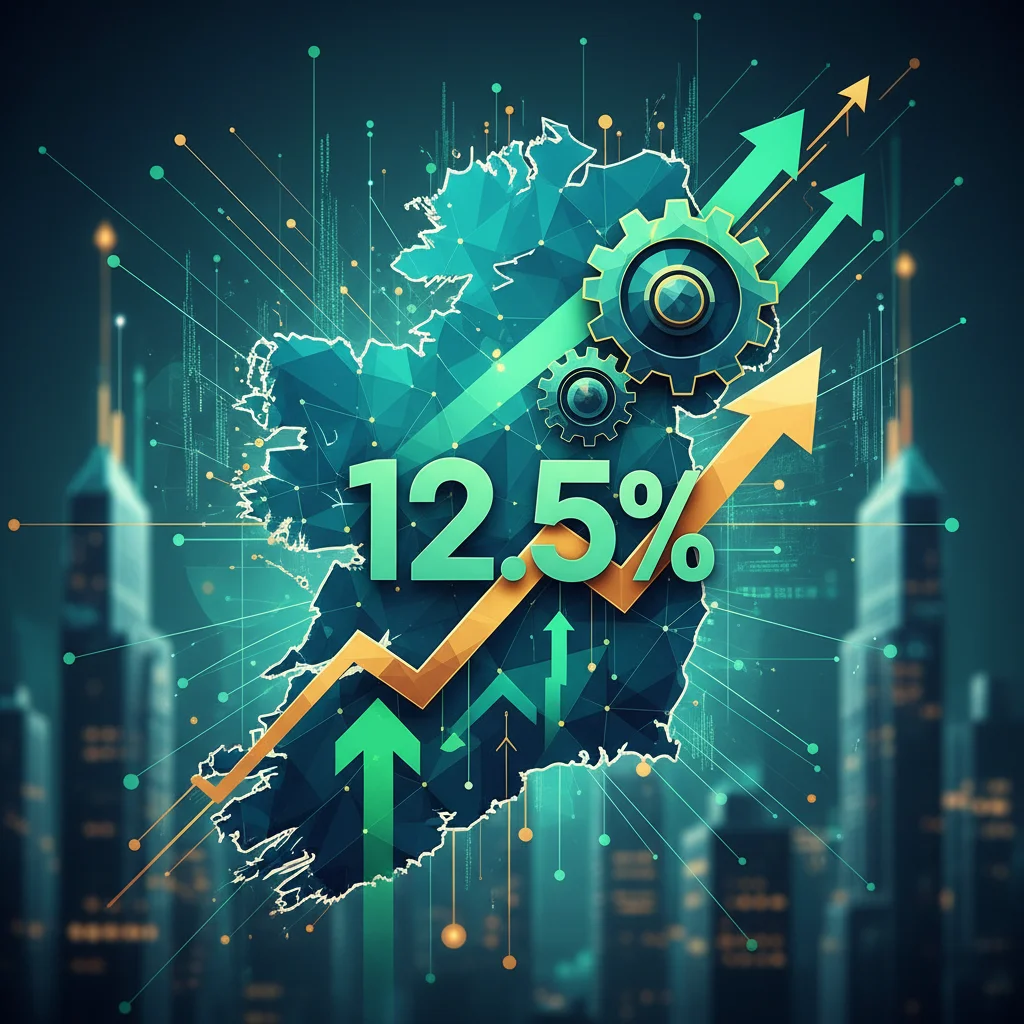
It is impossible to discuss the Irish economy without addressing the 12.5% corporate tax rate. For years, this policy has been the cornerstone of its industrial strategy, successfully attracting multinational corporations (MNCs) seeking an efficient, stable base for their European operations. This strategy has undeniably been a masterstroke, drawing in titans of tech, pharmaceuticals, and medical devices, and fundamentally reshaping the country’s economic landscape.
However, focusing solely on this rate is a disservice to the broader, more intricate economic architecture Ireland has painstakingly built. The global economic environment is changing. The OECD/G20 Inclusive Framework, which introduces a global minimum corporate tax rate of 15%, has forced nations like Ireland to adapt. Ireland’s decision to join this framework demonstrates a pragmatic understanding that its value proposition must transcend tax competition. The country is betting that the ecosystem it has cultivated is now strong enough to stand on its own, even as one of its primary competitive advantages is harmonized.
The real story isn’t the tax rate itself, but what Ireland did with the opportunity it created. It used the influx of capital and companies not as an end, but as a means to build a durable, knowledge-based economy.
Decoding the Market: How to Solve the Global Economy's Most Complex Puzzle
The True Pillars of Ireland’s Economic Strength
If not just taxes, what makes Ireland so attractive? The answer lies in a powerful confluence of factors that create a uniquely fertile ground for business, innovation, and long-term investing.
1. A Deep Well of Human Capital
Perhaps Ireland’s most valuable asset is its people. The nation boasts one of the youngest populations in Europe and a highly educated, English-speaking workforce. Irish universities are renowned for collaborating closely with industry to ensure their curricula produce graduates with the skills modern companies need, particularly in STEM, finance, and technology. According to Ireland’s Central Statistics Office, 62% of those aged 25-34 have a third-level education, one of the highest rates in the EU. This ready supply of talent is a critical factor for any company looking to scale its operations.
2. The Unrivaled Gateway to Europe
Since the United Kingdom’s departure from the European Union, Ireland’s strategic importance has skyrocketed. It now stands as the only English-speaking, common-law jurisdiction fully integrated within the EU’s single market. For American, British, and other international firms, this makes Ireland the logical and most seamless entry point to a market of 450 million consumers. This “Brexit dividend” has further solidified its position as a critical hub for international trade, finance, and regulatory compliance.
3. A World-Class Technology and Life Sciences Ecosystem
Dublin’s “Silicon Docks” is more than just a catchy moniker; it’s the physical manifestation of a thriving tech cluster that rivals any in the world. Nine of the top ten global software companies and all of the top ten global pharmaceutical corporations have a significant presence in Ireland. This concentration of industry leaders creates powerful network effects, fostering innovation, attracting specialized talent, and spawning a vibrant startup scene. The country has become a global leader in sectors ranging from medical devices to cybersecurity and, increasingly, in cutting-edge **financial technology** (fintech). Homegrown successes are now emerging alongside the giants, creating a dynamic and resilient industrial base.
Ireland by the Numbers: A Comparative Snapshot
To put Ireland’s competitive advantages into perspective, here is a comparison with several other key European economies. The data illustrates a compelling combination of pro-business policies, economic dynamism, and human capital.
| Metric | Ireland | Germany | France | Netherlands |
|---|---|---|---|---|
| Corporate Tax Rate (Standard) | 12.5% / 15%* | ~30% | 25.8% | 25.8% |
| GDP Growth (2022) | 9.4% (source) | 1.8% | 2.5% | 4.3% |
| Ease of Doing Business Rank (2020) | 24th | 22nd | 32nd | 42nd |
| English Proficiency (EF EPI 2023) | Very High (17th) | Very High (10th) | Moderate (43rd) | Very High (1st) |
*Ireland maintains its 12.5% rate for smaller domestic companies, while applying the 15% OECD minimum rate to large multinationals. Data sourced from World Bank, OECD, and EF English Proficiency Index.
Implications for Global Investing and Finance
For investors and financial professionals, understanding the Irish model is crucial for navigating the European market. Ireland is not just a place where companies book profits; it is a major nerve center of the global **finance** industry.
The country is the largest hub for hedge fund administration in the world and a leading European domicile for investment funds. The Irish **stock market** (Euronext Dublin) is home to major international players, and the country’s expertise in aviation leasing and asset management is unparalleled. This deep integration into the global financial system provides stability and a wealth of opportunities for those involved in international **investing** and **trading**.
Furthermore, the growth of Ireland’s **fintech** sector presents exciting new avenues. With a supportive regulatory environment and a critical mass of tech talent, Irish companies are at the forefront of innovation in payments, regulatory technology, and even decentralized finance using **blockchain** technology. For venture capitalists and public market investors, this burgeoning sector represents a significant growth frontier within the stable and predictable framework of the EU **economy**.
Conclusion: A Resilient Model for the Future
The narrative that Ireland is simply a low-tax brass plate for global corporations is an outdated one. As the original letter in the Financial Times argues, the country’s success is built on a far more substantive and resilient foundation. It is a product of deliberate, long-term policy focused on education, EU integration, and the creation of a world-class business environment.
While challenges such as housing shortages and infrastructure strain certainly exist, Ireland’s history is one of adaptation and resilience. By embracing the global minimum tax and continuing to invest in its core strengths—its people and its innovative ecosystem—the country is positioning itself not just to survive in the new global economy, but to thrive. For business leaders and investors, Ireland remains a compelling case study in strategic economic development and a beacon of stability and opportunity in an uncertain world. The Celtic Tiger has matured, and its roar is now powered by a diverse and powerful economic engine.
The Asset in the Living Room: Deconstructing the Investment Strategy of a High-Yield Home