Crude Politics: Deconstructing the Plan to Seize Venezuelan Oil and Its Impact on Global Finance
The Bold Proclamation Shaking Global Markets
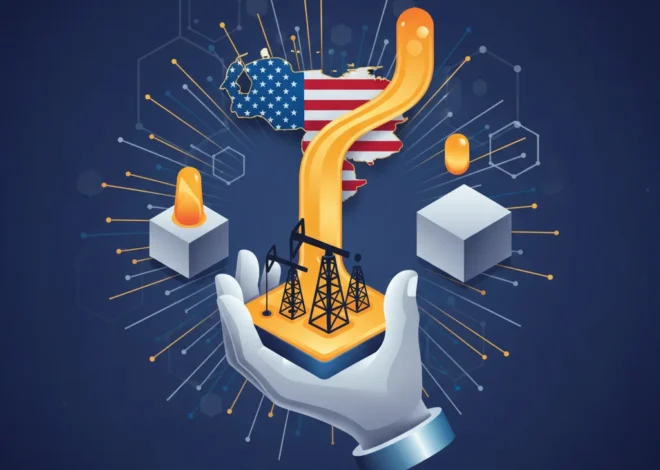
In a move that sent ripples through the worlds of geopolitics and finance, the White House announced a plan to take control of up to 50 million barrels of sanctioned Venezuelan crude oil, directing the proceeds to U.S. government-controlled accounts. The statement, attributed to then-President Donald Trump, declared that the U.S. would manage the funds from the sale of this significant oil cache, effectively seizing a key asset of the struggling Venezuelan state. This unprecedented step represents a dramatic escalation in the use of economic tools as instruments of foreign policy, blurring the lines between sanctions and outright asset seizure. For investors, business leaders, and anyone involved in the global economy, understanding the multifaceted implications of this decision is not just important—it’s critical.
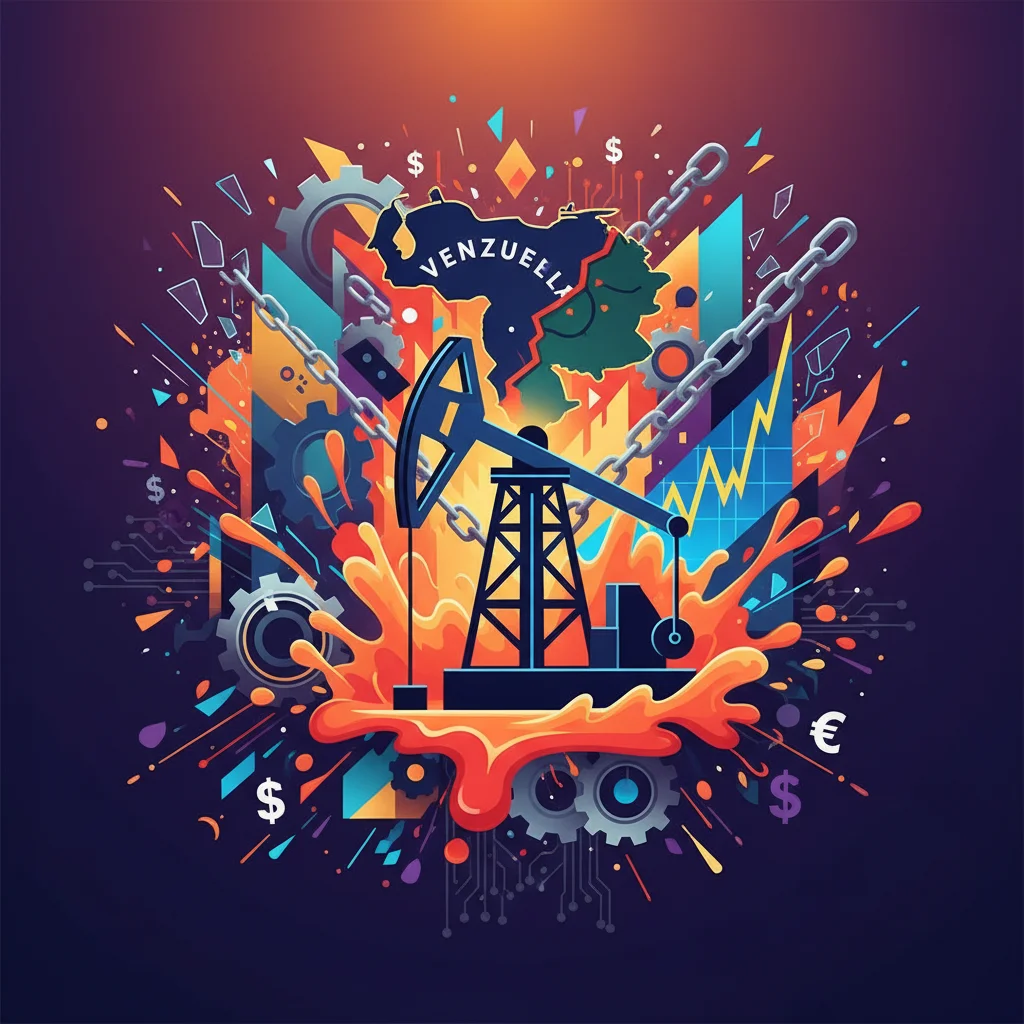
This action is not occurring in a vacuum. It’s the culmination of years of escalating sanctions aimed at pressuring the government of Nicolás Maduro. The U.S. and dozens of other nations have long contested the legitimacy of his rule, citing democratic backsliding and human rights abuses. These sanctions have targeted Venezuela’s state-owned oil company, PDVSA, crippling its ability to export oil and access the international banking system. By threatening to seize and sell the oil directly, the U.S. is moving from economic restriction to economic appropriation. This blog post will dissect this complex situation, exploring its impact on the oil market, the ripple effects across the stock market and investing landscape, and the deeper questions it raises about the future of international finance and economic statecraft.
Economic Shockwaves: What 50 Million Barrels Means for the Oil Market
While 50 million barrels may sound like an astronomical figure, its immediate impact on the global oil market requires careful analysis. The global economy consumes nearly 100 million barrels of oil per day, according to the U.S. Energy Information Administration (EIA). Therefore, a one-time injection of 50 million barrels represents about half a day of global consumption. While this wouldn’t crash the market, it’s a significant enough volume to cause noticeable short-term price volatility, especially in a market already sensitive to geopolitical news.
The key factor is not just the volume, but the signal it sends. It introduces a new level of uncertainty and political risk into commodity trading. Traders must now account for the possibility of other similar asset seizures. To put the number in perspective, let’s compare it to other key oil market metrics.
| Metric | Volume (in barrels) | Context & Significance |
|---|---|---|
| Proposed Venezuelan Seizure | 50,000,000 | Represents a significant portion of Venezuela’s sanctioned, stored, or in-transit oil. A major geopolitical event. |
| U.S. Daily Oil Consumption | ~20,000,000 | The seized oil could cover roughly 2.5 days of U.S. consumption (source). |
| Global Daily Oil Production | ~100,000,000 | The seizure amounts to approximately 0.5% of a single day’s global output, indicating a temporary supply-side disruption. |
| U.S. Strategic Petroleum Reserve (SPR) | ~360,000,000+ | The seized amount is a fraction of the U.S. emergency stockpile, but its purpose is political, not for energy security. |
The more profound impact is on Venezuela’s economy. Oil exports are the nation’s primary source of hard currency. The loss of 50 million barrels, valued at billions of dollars depending on the crude price, would be a devastating blow to an already collapsed economy. For investors, this signals that the floor for Venezuelan assets is even lower than previously imagined and that the country’s path to economic recovery is fraught with external political risks.
The Great Crypto Recalibration: Why Wall Street's Arrival Will Define the Market by 2026
The Ripple Effect: From Wall Street to Your Portfolio
The direct consequences for the stock market are concentrated in the energy sector but have broader implications for risk assessment. Here’s how different areas of the market could be affected:
- Oil Majors & Refiners: U.S. refiners, particularly those on the Gulf Coast, are configured to process the heavy, sour crude that Venezuela produces. A sudden, discounted supply of this crude could be a short-term boon for companies like Valero (VLO) and Marathon Petroleum (MPC), potentially boosting their margins. However, oil majors like ExxonMobil (XOM) and Chevron (CVX) with global operations face a more complex picture. While they might benefit from lower feedstock costs in their U.S. operations, the increased geopolitical risk could devalue their assets in other politically sensitive regions around the world.
- Commodity Traders: For those involved in physical oil trading, this event is a case study in political risk. It disrupts established supply chains and legal frameworks. The question of title and ownership of the seized cargo becomes a legal minefield, potentially leading to costly litigation. It will force a re-evaluation of insurance premiums and contract clauses for any oil sourced from a sanctioned nation.
- Emerging Market Investing: This action sends a chilling message to anyone investing in emerging markets. It demonstrates that a hostile relationship with the U.S. can lead to the loss of sovereign assets, not just financial sanctions. This will likely increase the risk premium demanded by investors for countries at odds with U.S. foreign policy, making it more expensive for them to raise capital.
The core takeaway for investors is the increasing fusion of politics and economics. Portfolio allocation can no longer rely solely on financial metrics; a sophisticated understanding of geopolitics is now a prerequisite for successful long-term investing.
Rial in Ruins: Iran's Economic Crisis Reaches a Boiling Point, What Investors Must Understand
The Financial Battlefield: Sanctions, Banking, and the Rise of Alternatives
This episode casts a harsh light on the architecture of the global financial system. U.S. sanctions are effective primarily because the U.S. dollar is the world’s reserve currency and most international transactions pass through the U.S. banking system or its allies. By cutting off PDVSA from this system, the U.S. effectively stranded its oil. The seizure is the physical manifestation of this financial isolation.
However, such aggressive actions may accelerate the search for alternatives. Nations wary of U.S. economic power are increasingly exploring ways to de-dollarize and create parallel financial systems. This is where financial technology, or fintech, enters the conversation. There is growing concern among policymakers that sanctioned states could turn to technologies like blockchain and cryptocurrencies to circumvent traditional financial channels. While the volatility and scalability of current cryptocurrencies make them impractical for settling billions in oil trades today, the threat is real. A state-sponsored digital currency, or a system built on a private blockchain, could theoretically allow two countries to trade directly without ever touching the U.S. financial system.
This maneuver against Venezuela, as described in the Financial Times, inadvertently serves as a powerful incentive for America’s adversaries to invest heavily in developing this alternative fintech infrastructure. The long-term risk for the U.S. is that the overuse of its financial dominance could ultimately lead to its erosion, as the rest of the world builds new systems to route around it.
Beyond Bitcoin: 3 Altcoins Poised for a Potential Breakout
The Bottom Line: A New Era of Economic Statecraft
The plan to seize and sell 50 million barrels of Venezuelan oil is more than a headline; it’s a landmark event in modern economics and international relations. It signifies a tactical shift from passive economic pressure to active asset appropriation, a move with profound consequences for global markets and political stability.
For business leaders and finance professionals, the key takeaways are clear:
- Geopolitical Risk is Paramount: A company’s supply chain, market access, and even physical assets can become pawns in a larger political game. Geopolitical risk analysis must be integrated into all core business and investment strategies.
- The Financial System is a Battlefield: The traditional infrastructure of banking and finance is now an explicit arena for international conflict. This creates both risks and opportunities, particularly for innovators in the fintech space who are building the financial systems of tomorrow.
- Uncertainty is the New Norm: This action increases baseline volatility in the energy and commodity markets. Investors must brace for a future where political announcements can impact asset prices as much as, or even more than, traditional supply and demand fundamentals.
Ultimately, this move forces us to question the future of globalized trade. It challenges the long-held assumption that, outside of declared wars, sovereign commercial assets are largely untouchable. As the lines between commerce and conflict continue to blur, navigating the global economy will require more vigilance, foresight, and adaptability than ever before.