Beyond the Pasta Bowl: Decoding the Economic Ripple Effects of a US Tariff Reversal
In the intricate world of global finance and economics, headlines often focus on tectonic shifts in the stock market, groundbreaking fintech innovations, or major policy announcements from central banks. However, sometimes the most telling indicators of broader economic trends come from unexpected places. Recently, a seemingly minor development in international trade policy—the US government’s decision to slash proposed tariffs on Italian pasta—has provided a fascinating case study on the delicate interplay between geopolitics, consumer economics, and market stability.
The initial plan, which targeted 13 prominent Italian pasta producers, threatened to impose steep tariffs that would have inevitably led to significant price increases for American consumers. The reversal of this plan, while a sigh of relief for pasta lovers, offers a much deeper story for investors, business leaders, and anyone interested in the complex machinery of the global economy. This decision is not merely about the cost of spaghetti; it’s a reflection of shifting trade strategies, inflationary pressures, and the far-reaching consequences of protectionist policies. Let’s unravel the layers of this decision and explore its wider implications for finance, investing, and the future of international trade.
The Anatomy of a Tariff Threat
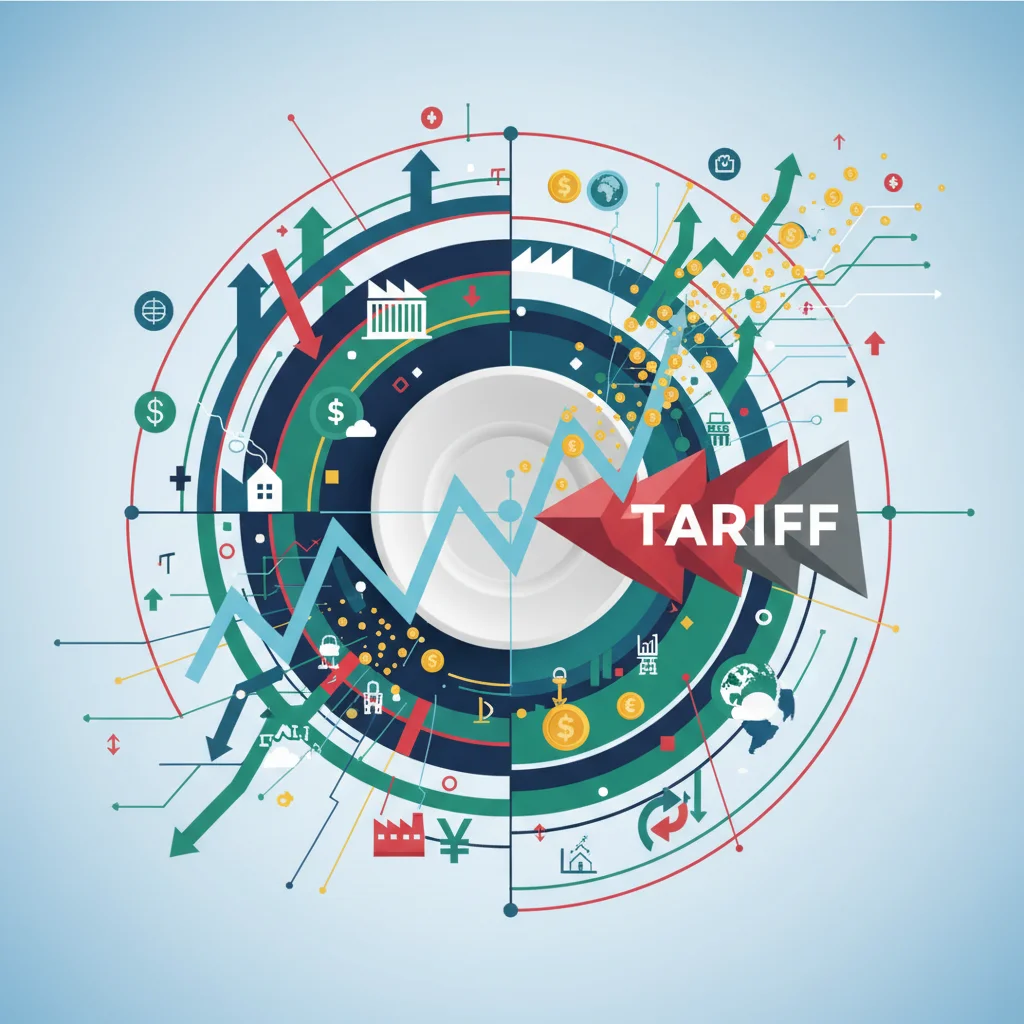
At its core, a tariff is a tax imposed on imported goods and services. Governments typically use them as a tool to achieve several objectives: to protect domestic industries from foreign competition, to generate revenue, or as a bargaining chip in international trade negotiations. In this instance, the proposed tariffs on Italian pasta were part of a larger, more complex series of trade discussions between the United States and the European Union.
The plan could have had a dramatic impact on the price and availability of authentic Italian pasta in the US market. According to the initial reports, the move was poised to disrupt a significant portion of the import market, creating uncertainty for both Italian exporters and American importers. The decision to dramatically reduce these proposed tariffs, as reported by the BBC, effectively averted a “pasta price shock” for consumers and businesses alike.
To understand the magnitude of this policy shift, consider the direct financial implications. While the exact proposed percentages were part of sensitive negotiations, we can illustrate the potential impact on the supply chain.
Below is a simplified model of how the proposed tariffs could have affected the cost of a single shipment of pasta, compared to the outcome after the policy reversal.
| Cost Component | Scenario A: With Proposed Steep Tariffs | Scenario B: After Tariff Reversal |
|---|---|---|
| Base Cost of Goods (from Italy) | $100,000 | $100,000 |
| Shipping & Insurance | $10,000 | $10,000 |
| US Import Tariff | $25,000 (Hypothetical 25%) | $3,000 (Hypothetical 3%) |
| Importer’s Landed Cost | $135,000 | $113,000 |
| Impact on Final Consumer Price | Significant Increase | Minimal to No Increase |
This reversal prevented a direct cost increase of over 20% for importers, a cost that would have been passed down through distributors, retailers, and ultimately, to the consumer. This highlights the direct link between high-level trade policy and the everyday economics of household budgets.
The Amadeus Effect: Decoding Genius and Rivalry in Modern Finance
From Supermarket Aisles to the Stock Market: The Ripple Effect
The impact of such a tariff extends far beyond the checkout counter. For the financial world, trade policies are critical variables that influence everything from corporate earnings to stock market volatility. Averting this specific tariff had several positive ripple effects across the economy.
First, it supports consumer purchasing power. With inflation being a primary concern for central banks worldwide, avoiding artificial price hikes on staple goods is a crucial micro-level contribution to macroeconomic stability. The International Monetary Fund (IMF) has repeatedly highlighted how supply chain disruptions and trade barriers can exacerbate inflationary pressures. This tariff reversal, though small in the grand scheme, is a step away from that inflationary pressure point.
Second, it provides stability for a wide range of businesses. This includes not only the American companies that import and distribute Italian goods but also restaurants and food service businesses that rely on these products. Predictability in the supply chain is paramount for financial planning and investment. When the risk of a sudden, politically driven cost increase is removed, businesses can operate with greater confidence. This stability is reflected in their financial performance and, consequently, their attractiveness to those engaged in stock market investing.
For investors, this event serves as a reminder of the importance of geopolitical risk analysis. The stocks of the 13 targeted Italian producers, as well as those of major US food distributors and restaurant chains, would have been negatively impacted by the tariffs. The reversal likely provided a modest boost or, at the very least, removed a significant headwind. This demonstrates how successful trading and investing strategies must account for political and economic factors, not just company fundamentals.
Geopolitics, Banking, and the Bigger Economic Picture
To truly appreciate the significance of this decision, we must zoom out to the macroeconomic and geopolitical landscape. International trade does not happen in a vacuum; it is a primary instrument of foreign policy. The decision to back down from a trade confrontation with a key NATO ally like Italy suggests a prioritization of strategic alliances over protectionist impulses.
This has implications for the broader financial system. Persistent trade wars create uncertainty that can rattle global markets and impact currency valuations. A major trade dispute between the US and the EU could lead to volatility in the EUR/USD currency pair, one of the most heavily traded pairs in the world. Such instability can complicate monetary policy for both the Federal Reserve and the European Central Bank. Central banking institutions prefer a stable and predictable trade environment to effectively manage inflation and employment mandates. According to research from the European Central Bank, tariff-induced uncertainty can directly dampen business investment and economic growth.
By choosing de-escalation, policymakers are contributing to a more stable environment for international finance. This allows capital to flow more freely and encourages cross-border investment, which are essential drivers of global economic health.
The Unwanted Gift Portfolio: An Investor's Guide to Managing Misallocated Holiday Assets
The Future of Trade: Can Financial Technology Pave a Smoother Path?
While diplomatic negotiations resolved this particular issue, the incident underscores the inherent fragility of global supply chains in the face of political whims. This is where innovations in financial technology (fintech) and concepts like blockchain offer compelling future solutions.
The core problem in many trade disputes is a lack of transparency and trust. Tariffs are often applied broadly because it’s difficult to trace the precise origin and journey of specific goods. This is where blockchain technology could be a game-changer. By creating an immutable, shared ledger, blockchain can provide a verifiable “digital passport” for products. Imagine a scenario where US customs could instantly verify that a shipment of pasta came from a specific producer in a specific region of Italy, confirming it meets all trade agreements. This could allow for surgical precision in trade policy, targeting only non-compliant actors instead of punishing an entire industry.
Furthermore, the financial uncertainty created by tariff threats can be mitigated by advances in fintech. Supply chain finance platforms, a key area of financial technology innovation, are helping businesses manage their cash flow and mitigate risks. These platforms can use real-time data to offer flexible financing to importers and exporters, helping them bridge the financial gaps created by shipping delays or unexpected costs like tariffs. This enhances the resilience of businesses, large and small, to the shocks of trade policy shifts.
As the global economy continues to navigate a complex web of relationships, the integration of fintech and blockchain into the nuts and bolts of international trade and banking will be essential. These technologies promise a future where trade is not only more efficient but also more transparent and resilient.
Conclusion: A Lesson in a Pasta Bowl
The story of the averted Italian pasta tariff is a powerful illustration of how interconnected our world is. A single policy decision can ripple through the entire economic ecosystem, affecting consumer prices, corporate profits, stock market performance, and geopolitical relationships. It underscores that sound economics often involves looking beyond narrow interests to see the broader benefits of stable and open trade.
For those involved in finance, investing, and business, it serves as a critical reminder that the global economy is a dynamic and complex system. Understanding the nuances of trade policy, the strategic goals of nations, and the potential of emerging financial technology is no longer optional—it is essential for navigating the challenges and opportunities of the 21st-century marketplace. The humble plate of pasta, in this case, has served up a masterclass in modern economics.
Decoding Bitcoin's Next Move: The Technical Case for a Surge to ,000