Beyond the Tinsel: A Strategic Guide to Holiday Spending in a Shifting Economy
The Holiday Paradox: Navigating Festive Cheer Amidst Economic Headwinds
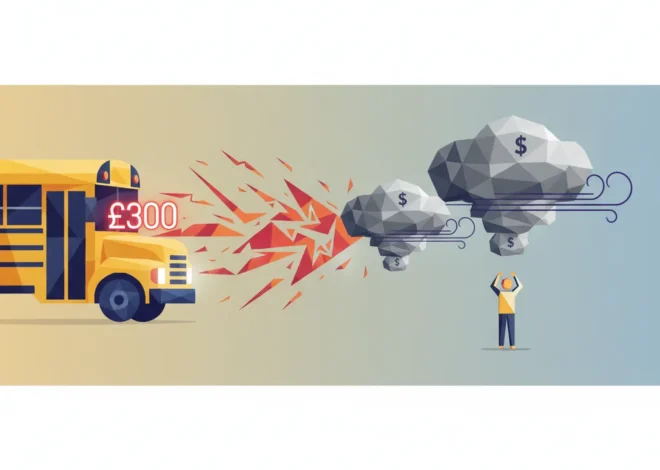
The holiday season arrives each year cloaked in a unique paradox. It’s a time of immense joy, connection, and generosity, yet it often brings a wave of financial anxiety that can linger long after the decorations are packed away. In today’s complex economic landscape, this pressure is magnified. With persistent inflation shaping consumer behavior and market volatility demanding a sharper focus on long-term financial health, the need for a strategic approach to holiday spending has never been more critical. This isn’t just about saving a few dollars; it’s about safeguarding your financial future while still celebrating meaningfully.
Drawing insights from a recent discussion with Claer Barrett, the acclaimed consumer editor at the Financial Times, this guide will deconstruct the psychology of holiday spending, provide a blueprint for a fiscally sound festive season, and connect these personal finance decisions to the broader world of investing, economics, and financial technology. For investors, finance professionals, and business leaders, understanding these micro-level consumer trends is essential for interpreting macro-level economic signals.
Deconstructing the Pressure: Inflation and the Psychology of Spending
The first step in mastering holiday spending is acknowledging the powerful forces at play. Beyond personal traditions, we are influenced by a torrent of sophisticated marketing and social media pressures that create a “keeping up with the Joneses” effect on a global scale. This environment makes it incredibly difficult to distinguish between genuine generosity and compulsive consumption.
This year, that psychological pressure is compounded by a stark economic reality: inflation. As Claer Barrett notes, the cost of everything, from travel to toys, has seen a significant increase. This sustained rise in prices means that the same budget from two years ago simply doesn’t have the same purchasing power. This erosion of real income forces families to make difficult choices, and without a clear plan, it’s easy to fall back on credit, accumulating debt that can jeopardize financial goals for months or even years to come.
Understanding this interplay between behavioral economics and the macroeconomic environment is crucial. The emotional desire to provide a “perfect” holiday can lead to irrational financial decisions, a fact that savvy investors and market analysts watch closely as a bellwether for consumer confidence and the health of the retail sector.
The Price of Progress: Why the Coupang Data Breach is a Wake-Up Call for Every Investor
The Blueprint for a Resilient Holiday: Budgeting as a Strategic Tool
A budget is not a restriction; it is a strategic plan that empowers you to allocate resources effectively. In the context of the holidays, it’s the single most important tool for navigating the season with financial integrity. The process begins with honesty and communication. Have open conversations with family and friends about expectations. Many people feel the same financial pressure, and a collective agreement to scale back can be a significant relief for everyone involved.
Claer Barrett highlights a simple yet profound framework for gift-giving, particularly for children: the “Four Gift Rule.” This principle encourages mindful purchasing over sheer volume. We can expand this concept into a broader “Mindful Gifting Framework” to guide your overall shopping strategy.
Below is a table outlining this framework, designed to promote intentionality and control over your holiday expenditures.
| Gifting Principle | Description | Practical Application & Financial Benefit |
|---|---|---|
| Something they WANT | The main, desired gift. This addresses the “wow” factor of the holiday. | Focusing on one key item prevents spending on multiple, less-desired gifts, optimizing your budget for maximum impact. |
| Something they NEED | A practical item that you would likely have to purchase anyway, such as new sports equipment, a winter coat, or a tech upgrade for school. | This shifts a necessary expense into the gift category, making your budget more efficient and reducing future non-discretionary spending. |
| Something to WEAR | Clothing, shoes, or accessories. This is another opportunity to cover a necessary expense. | Like the “need” category, this aligns gifting with practical household budgeting, preventing wardrobe expenses from surprising you later. |
| Something to READ | A book, magazine subscription, or audiobook credit. This promotes learning and provides lasting value. | This is a high-value, low-cost category that offers hours of enrichment, representing a fantastic return on investment for your gift-giving capital. |
The Modern Debt Trap: Unpacking “Buy Now, Pay Later” (BNPL)
The rise of financial technology has brought incredible convenience, but it has also introduced new and insidious forms of debt. “Buy Now, Pay Later” (BNPL) services are perhaps the most prominent example. Seamlessly integrated into online checkouts, they offer the tempting illusion of “free money” by splitting a purchase into several smaller, interest-free installments.
However, Claer Barrett aptly describes BNPL as the “modern-day equivalent of the never-never.” The danger lies in its psychological effect. It disconnects the consumer from the immediate financial impact of their purchase, making it easy to overspend. A single $200 purchase might seem manageable when presented as four payments of $50, but when multiple BNPL plans are stacked, they create a complex web of future obligations that can quickly become overwhelming. Missed payments often trigger steep fees and high interest rates, transforming a seemingly smart deal into a costly debt trap. This trend is a major disruptor in the consumer credit and banking sectors, forcing traditional institutions to adapt while also raising regulatory concerns about consumer protection.
Leveraging Fintech for Good: Your Arsenal for Smart Spending
While some fintech innovations present risks, others offer powerful solutions for managing your finances. Technology can be your greatest ally in sticking to your holiday budget. Here are some actionable strategies:
- Automate Your Savings with a “Sinking Fund”: A sinking fund is a savings account for a specific, planned expense. Instead of a last-minute scramble, you can save a small, manageable amount each month throughout the year. Setting up an automated transfer of $50 or $100 per month into a dedicated “Holiday Fund” can result in a debt-free celebration. This is a core principle of sound personal finance.
- Use Budgeting Apps: Modern budgeting apps connect to your bank accounts and credit cards, automatically categorizing your spending. They provide real-time feedback on your progress, helping you stay on track with your holiday budget.
- Harness Cashback and Loyalty Programs: Leverage cashback websites and browser extensions before making any online purchase. Similarly, cashing in credit card points or store loyalty points can significantly reduce out-of-pocket costs. These small wins accumulate and can free up hundreds of dollars.
Mastering these tools is the first step toward building a robust personal financial ecosystem, a prerequisite before engaging in more complex financial activities like active stock trading or exploring alternative asset classes like blockchain-based investments.
Navigating the Tides of Power: Why Hanwha's Stake in Austal is a Global Economic Bellwether
The Long-Term View: Holiday Debt vs. Wealth Creation
For the financially astute, every spending decision is viewed through the lens of opportunity cost. The money spent on high-interest credit card debt from holiday overspending is money that cannot be used for wealth creation. A $1,000 credit card balance at a 20% APR doesn’t just cost you $1,000; it costs you the potential returns that money could have generated if it were invested in the stock market.
This is the critical link between personal holiday spending and long-term investing. By consciously managing your festive budget and avoiding debt, you are directly fueling your ability to invest in your future. The capital preserved can be channeled into retirement accounts, brokerage accounts, or other investments that compound over time. On a macroeconomic scale, high levels of consumer debt can signal an over-leveraged and fragile economy, while a populace with a healthy savings rate indicates a more stable and resilient market.
Therefore, approaching the holidays with a strategic financial plan is not about depriving yourself; it’s about making a conscious choice to prioritize long-term financial freedom over short-term gratification. It’s an executive decision for your own life, with returns that far outlast the holiday season.
Conclusion: A Season of Meaning and Financial Mastery
The holiday season doesn’t have to be a battle between festive spirit and financial prudence. By adopting a strategic mindset, you can achieve both. It begins with understanding the psychological and economic pressures at play and building a defensive plan centered around a realistic budget. By leveraging smart financial technology, avoiding modern debt traps like BNPL, and communicating openly with loved ones, you can navigate the season with confidence and control. Ultimately, the greatest gift you can give yourself and your family is a new year free from the burden of holiday debt, with your financial resources aligned to build lasting wealth and security.

Related Posts

The Great Christmas Migration: What Holiday Travel Reveals About the Economy, Investing, and Fintech

AI & The Economy: A Warning from the Bank of England, or an Unprecedented Opportunity?