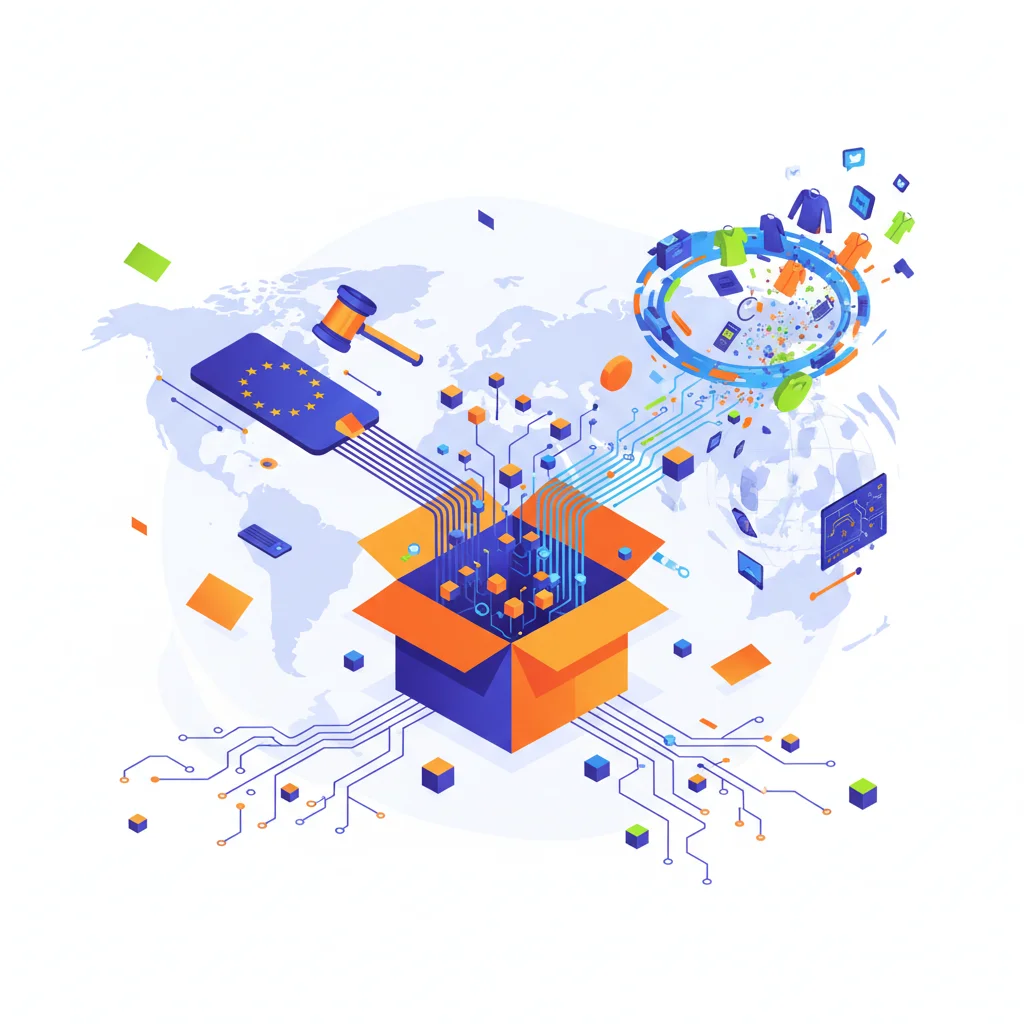
Beyond the Parcel: Why the EU’s Crackdown on Shein is a Wake-Up Call for Tech
You’ve seen them everywhere. The impossibly cheap dress that pops up in your social media feed, the quirky gadget that’s a fraction of the price of its competitors, the haul videos showcasing dozens of items for the cost of a single dinner out. It’s the alluring world of ultra-fast e-commerce, dominated by giants like Shein and Temu. But beneath the surface of these convenient, low-cost parcels, a storm is brewing.
The European Union is sounding a serious alarm. Didier Reynders, the bloc’s justice commissioner, recently declared a plan to crack down on what he calls “very dangerous” products flooding the market from these platforms. This isn’t just another trade dispute; it’s a fundamental clash between disruptive, data-driven business models and the EU’s foundational principles of consumer safety. And at the heart of this conflict, you’ll find a fascinating intersection of artificial intelligence, hyper-scale automation, and the complex challenges of modern software engineering.
This post will unpack the EU’s crackdown, but we’ll go deeper than the headlines. We’ll explore the sophisticated tech engine that powers these e-commerce behemoths, the regulatory gauntlet they now face, and the immense opportunities this crisis creates for startups and innovators in the compliance and cybersecurity space.
The Core of the Crisis: Unsafe Products and a Regulatory Blind Spot
The immediate catalyst for the EU’s action is a growing mountain of evidence suggesting a significant consumer safety problem. According to the Financial Times, the EU’s main concern is the sheer volume of non-compliant and dangerous goods being sold directly to consumers. Reynders stated that a significant portion of products sold on these platforms fail to meet EU safety standards, with a particular focus on items like toys and electronics that pose a direct risk. He emphasized the need for “more action” to protect the 27-nation bloc’s 450 million consumers.
Consumer groups across Europe have echoed these concerns. A 2023 report from a German toy-testing body, for instance, found that many toys purchased from non-EU platforms contained hazardous chemicals or had small parts that posed a choking hazard. This isn’t a new problem, but the scale and speed of platforms like Shein and Temu have amplified it exponentially. Their direct-to-consumer model often bypasses traditional importers and distributors who would normally be responsible for ensuring products meet local safety regulations. This creates a regulatory gray area that the EU is now determined to close.
The Tech Engine: How AI and Automation Fuel the Ultra-Fast Model
To understand why this problem is so difficult to solve, you have to look under the hood. Shein and its peers are not just retail companies; they are formidable tech platforms built on cutting-edge software, massive cloud infrastructure, and a relentless drive for efficiency through automation.
Their business model, often called “test and repeat,” is a masterclass in applied AI and machine learning. Instead of designing a seasonal collection, they use algorithms to scrape social media, analyze search trends, and identify micro-trends in real-time. This data feeds a system that commissions thousands of new designs, produced in incredibly small batches—sometimes as few as 100 units. If a product sells well, the system automatically orders more. If it doesn’t, it’s gone, with minimal financial loss.
This entire process is managed by a sophisticated SaaS-like platform that connects a vast network of thousands of third-party suppliers. It’s a distributed, decentralized manufacturing system orchestrated entirely by software. Let’s compare this to the traditional retail model.
Here’s a breakdown of the key differences:
| Metric | Traditional Retail Model | Ultra-Fast E-commerce Model (Shein/Temu) |
|---|---|---|
| Design & Trend Analysis | Human-led, seasonal, based on historical data and runway shows. | AI-driven, real-time analysis of social media, search data, and on-site behavior. |
| Production Cycle | 6-9 months from design to store. | As little as 3-7 days from design to online listing. |
| Inventory Strategy | Large batch production, high inventory risk. | Micro-batch production (“test and repeat”), low inventory risk. |
| Technology Stack | Legacy ERP systems, separate e-commerce platforms. | Integrated, proprietary cloud-native platform, mobile-first, heavy use of machine learning. |
| Key Driver | Brand & Designer Vision | Data & Automation |
This model is an incredible feat of innovation and software engineering. However, its core strength—speed and decentralization—is also its greatest weakness when it comes to compliance. When you have thousands of suppliers uploading tens of thousands of new products weekly, how do you ensure every single one meets the complex safety standards of 27 different EU countries? This is the central challenge.
Beyond the Map: How Wayve's AI Is Learning to Conquer London's Chaos
The Regulatory Hammer: The Digital Services Act (DSA)
The EU isn’t just issuing warnings; it has a powerful new tool in its arsenal: the Digital Services Act (DSA). This landmark legislation is designed to create a safer and more transparent online environment. A key component of the DSA is the designation of “Very Large Online Platforms” (VLOPs)—those with more than 45 million active monthly users in the EU. These VLOPs face the strictest obligations under the law.
In April 2024, Shein was officially designated a VLOP, placing it in the same category as giants like Google, Meta, and Amazon. This designation is a game-changer. It means Shein is now legally required to:
- Diligently assess and mitigate systemic risks, including the dissemination of illegal content and goods.
- Implement robust content moderation systems.
- Provide greater transparency in its advertising and recommendation algorithms.
- Undergo independent annual audits to ensure compliance.
Failure to comply can result in fines of up to 6% of the company’s global annual turnover—a penalty that could easily run into the billions. The EU’s current crackdown is, in essence, the first major stress test of the DSA’s power to regulate these new-era e-commerce platforms.
The Atlantic Divide: Why the US-EU Clash Over Elon Musk's X is a Ticking Time Bomb for Global Tech
The Tech Solution: Can AI and Software Solve a Problem They Helped Create?
For every complex problem created by technology, there is often a solution rooted in better technology. This regulatory crisis opens up a fascinating frontier for developers, entrepreneurs, and cybersecurity experts. How can we use software and AI to enforce compliance at the scale and speed of modern e-commerce?
Here are a few avenues where innovation is desperately needed:
- AI-Powered Product Vetting: Imagine machine learning models trained to scan product images, descriptions, and supplier documentation for compliance red flags. These AI systems could analyze a photo of a children’s toy to identify potential choking hazards, parse a product’s chemical composition list to flag banned substances, or cross-reference a supplier against a database of known bad actors. This is “compliance as code” on a massive scale.
- Automated Compliance Workflows: Instead of manual checks, startups can build SaaS platforms that automate the entire compliance process. When a new product is submitted by a supplier, it could trigger an automated workflow that requests necessary safety certificates, runs the product through an AI vetting system, and only allows it to go live once all checks are passed.
- Supply Chain Transparency & Cybersecurity: One of the core issues is the lack of transparency into the vast network of suppliers. Technologies like blockchain or other distributed ledger systems could be used to create an immutable record of a product’s journey from raw material to consumer. This enhances traceability and accountability, providing a robust layer of cybersecurity against counterfeit goods and fraudulent compliance documents. This approach could revolutionize supply chain integrity.
This isn’t just a defensive measure; it’s a massive business opportunity. The market for RegTech solutions is exploding, and companies that can provide effective, scalable compliance tools for the e-commerce industry are poised for incredible growth.
The Future: A New Paradigm for Global Tech
The EU’s confrontation with platforms like Shein and Temu is more than just a story about dangerous parcels. It’s a defining moment in the evolution of the digital economy. It signals a shift towards a world where technological innovation must be intrinsically linked with accountability and consumer protection.
For entrepreneurs and developers, the takeaway is clear: building a global tech company today requires a dual focus. You need the brilliant code, the scalable cloud architecture, and the smart AI algorithms. But you also need a deep understanding of the global regulatory landscape and a commitment to building safety and trust into the very fabric of your product. The platforms that will thrive in the coming decade will be those that masterfully blend disruptive technology with durable responsibility.

Related Posts

Whisky on the Rocks: An Investor’s Guide to the Economic Headwinds Facing the Spirits Industry

Debugging the Next Generation: Why the Decline in Reading is a Critical Bug for the Tech Industry