Mexico’s Tariff Shockwave: A New Front in the Global Economic Chess Match
In a move sending ripples across the global economy, Mexico has announced a significant overhaul of its trade policy, imposing temporary tariffs of up to 50% on hundreds of goods from countries with which it does not have a free trade agreement. This decision, primarily impacting imports from China, marks a pivotal moment in international trade dynamics, with profound implications for investors, business leaders, and global supply chains.
The new levies, which took effect in April 2024, target a wide array of products, including steel, aluminum, textiles, plastics, and crucially, electric vehicles. This isn’t just a minor adjustment; it’s a strategic realignment that positions Mexico firmly within the evolving landscape of global economic competition, particularly the ongoing friction between the United States and China. Understanding the drivers behind this policy and its potential consequences is essential for anyone involved in international finance, investing, and business strategy.
Deconstructing the Decree: What’s Changing and Why?
The Mexican government’s decree targets 544 product categories, imposing tariffs ranging from 5% to as high as 50%. The move aims to combat what Mexico’s economy ministry describes as “unfair trade practices” and to provide a “level playing field” for its domestic industries. According to a report from Reuters, the tariffs are a direct response to the growing concern over Chinese goods, particularly in the steel and automotive sectors, flooding the market and undercutting local producers.
The policy serves a dual purpose. Internally, it’s a protectionist measure designed to bolster Mexico’s manufacturing base. Externally, it’s a geopolitical signal, aligning Mexico more closely with the economic security concerns of its largest trading partner, the United States. US officials have been increasingly vocal about the risk of China circumventing US tariffs by routing goods through Mexico, a practice known as transshipment. This new tariff wall is a decisive step to close that potential loophole.
To illustrate the scope of these new measures, here is a breakdown of some key sectors and the tariff levels they now face:
| Product Category | Applicable Tariff Range | Strategic Importance |
|---|---|---|
| Steel and Aluminum Products | 25% – 35% | Protects a core domestic industry and counters global overcapacity, a key point of US-China friction. |
| Textiles and Clothing | 35% | Shields local apparel manufacturers from low-cost imports. |
| Tires and Rubber Products | 25% – 35% | Supports the domestic automotive supply chain. |
| Plastics and Chemicals | 10% – 20% | Aims to boost local production of essential industrial inputs. |
| Electric Vehicles (EVs) | Up to 50% | A highly strategic move to prevent Mexico from becoming a backdoor for Chinese EVs into the North American market. |
This policy is a direct result of growing pressure and the shifting dynamics of the United States-Mexico-Canada Agreement (USMCA), which governs North American trade. By taking this step, Mexico not only appeases US concerns but also strengthens its own case as the premier destination for “nearshoring”—the trend of companies moving their manufacturing operations closer to their end markets to de-risk their supply chains.
The First Brands Collapse: A Masterclass in How Wall Street Wins, Even When Companies Lose
The Geopolitical Undercurrent: Navigating the US-China Rivalry
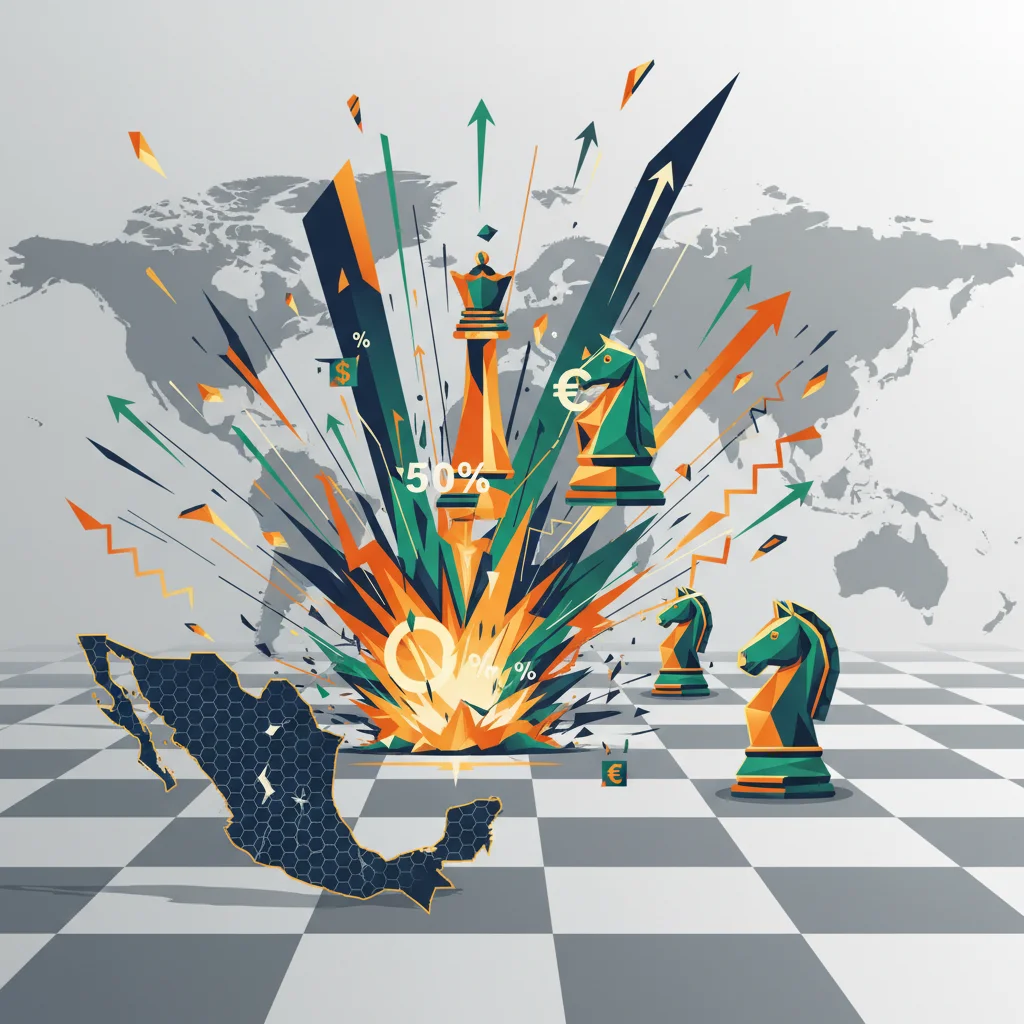
Mexico’s tariff decision cannot be viewed in isolation. It is a calculated move on the grand chessboard of the US-China economic rivalry. For years, the US has used tariffs to counter what it deems unfair Chinese trade practices. However, this has led to sophisticated strategies by some companies to bypass these duties. By establishing a manufacturing or assembly presence in Mexico, Chinese firms could potentially finish their products there and export them to the US under the favorable terms of the USMCA.
This tariff wall is Mexico’s declaration that it will not be a passive pawn in this game. The Mexican government is signaling its commitment to the integrity of the North American trade bloc. This is particularly crucial in the automotive sector. As Chinese EV manufacturers like BYD and MG expand their presence in Mexico, US automakers and lawmakers have raised alarms. The new 50% tariff on EVs is a clear message intended to curb this expansion before it can challenge the established North American auto industry. This strategic play in global economics demonstrates a sophisticated understanding of a multipolar world.
Ripple Effects: What This Means for the Stock Market, Investing, and Your Business
The implications of Mexico’s new tariffs are far-reaching, creating both challenges and opportunities across the financial landscape.
For Investors and the Stock Market
For those engaged in investing and trading, this policy shift creates a new set of variables to consider. Certain sectors of the Mexican stock market could benefit significantly.
- Domestic Manufacturers: Companies in the steel, aluminum, and textile industries are now better protected from foreign competition, which could lead to increased market share and profitability.
– Logistics and Industrial Real Estate: The nearshoring trend, which these tariffs are designed to accelerate, will likely boost demand for warehouses, industrial parks, and transportation services within Mexico.
– US Companies with Mexican Operations: American firms that have already nearshored their operations may find their competitive position strengthened against rivals who were relying on cheaper Asian imports.
Conversely, companies heavily reliant on importing the targeted goods from Asia for their Mexican operations will face higher costs, potentially impacting their margins. Currency traders should also keep a close eye on the Mexican Peso (MXN), as shifts in trade flows and foreign investment could introduce new volatility.
For Business Leaders and Supply Chains
The era of “set it and forget it” global supply chains is over. This move underscores the need for businesses to build resilient, agile, and transparent supply networks. Companies that have been slow to diversify away from China may now find the decision forced upon them. The key takeaway is the rising importance of Total Cost of Ownership (TCO) over simple production cost. Tariffs, geopolitical risk, and shipping costs are now critical components of sourcing decisions. As a result, we may see an acceleration in the adoption of financial technology, or fintech, solutions designed to manage complex cross-border payments, hedge against currency risk, and provide greater visibility into supply chain finances.
For the Broader Economy and Banking Sector
From a macroeconomic perspective, these tariffs could have an inflationary effect in the short term, as the cost of imported goods rises. Central banking authorities in Mexico will need to monitor this closely. However, the long-term goal is to stimulate domestic production and create jobs, which could strengthen the national economy. As more manufacturing moves to Mexico, the demand for trade finance, capital investment loans, and other corporate banking services is expected to surge, presenting a significant opportunity for both domestic and international financial institutions operating in the region. According to the initial announcement, the policy targets key consumer goods like cars and appliances, which will directly impact consumer spending and inflation metrics.
The Future of Global Trade: A Shift Towards Regional Blocs
Mexico’s decision is more than just a national policy; it’s a barometer of a global trend. The post-Cold War era of unchecked globalization is giving way to a new paradigm characterized by regional trade blocs, strategic competition, and a focus on economic security. The USMCA in North America, the European Union, and Asian trade pacts like the RCEP are becoming the primary arenas of international commerce.
In this new world, proximity, political alignment, and supply chain resilience are as important as labor costs. Mexico is strategically positioning itself as the cornerstone of the North American bloc. This latest move, while disruptive, is a clear and calculated step to solidify that position for decades to come. As analysis from the Center for Strategic & International Studies (CSIS) points out, these actions are part of a broader effort to ensure the benefits of the USMCA trade relationship are not diluted by non-market economies.
Beyond the Game: Russia's Roblox Ban and the High-Stakes Economics of Digital Sovereignty
In conclusion, Mexico’s new tariffs are a defining moment in modern trade history. They represent a bold assertion of national economic interest and a strategic alignment with its North American partners. For investors and business leaders, this is a clear signal that the global economic map is being redrawn. Navigating this new terrain will require a deep understanding of the interplay between economics, geopolitics, and finance. The winners will be those who can anticipate these shifts and build strategies that are not just efficient, but resilient.

Related Posts

War Bonds for a New Era: A £20bn Defence Funding Proposal for Modern Britain

Securing the Sterling: Why the UK’s New National Crime Force is a Game-Changer for the Economy and Investors