The Burnout Broadcast: Decoding the Dark Side of the Creator Economy
Imagine getting paid to play video games, share your passion, and connect with millions of fans. For many, becoming a full-time content creator or streamer is the ultimate dream job—a perfect fusion of passion, profit, and personality. It’s a career path that represents the pinnacle of modern entrepreneurship, built on cloud platforms and powered by cutting-edge software. But behind the glowing screens and soaring subscriber counts lies a darker, more complex reality—one of relentless pressure, mental exhaustion, and a constant battle against an unforgiving algorithm.
This isn’t just speculation; it’s the lived experience of those at the very top. In a candid interview on the BBC’s “Tech Life” program, popular streamer Sasha, better known as Vixella, pulled back the curtain on the hidden downsides of her profession. She described a world where taking a week off can cause your channel to “die,” a world where the job is never truly over. Her story is a crucial wake-up call, not just for aspiring creators, but for everyone in the tech ecosystem—from developers building the platforms to startups designing the tools that power this burgeoning industry.
In this post, we’ll dive deep into the challenges Vixella and countless other creators face. We’ll explore the technological forces driving this high-pressure environment and examine how innovations in artificial intelligence, automation, and SaaS are becoming both a source of the problem and a potential part of the solution.
The Algorithmic Treadmill: When Your Boss is a Black Box
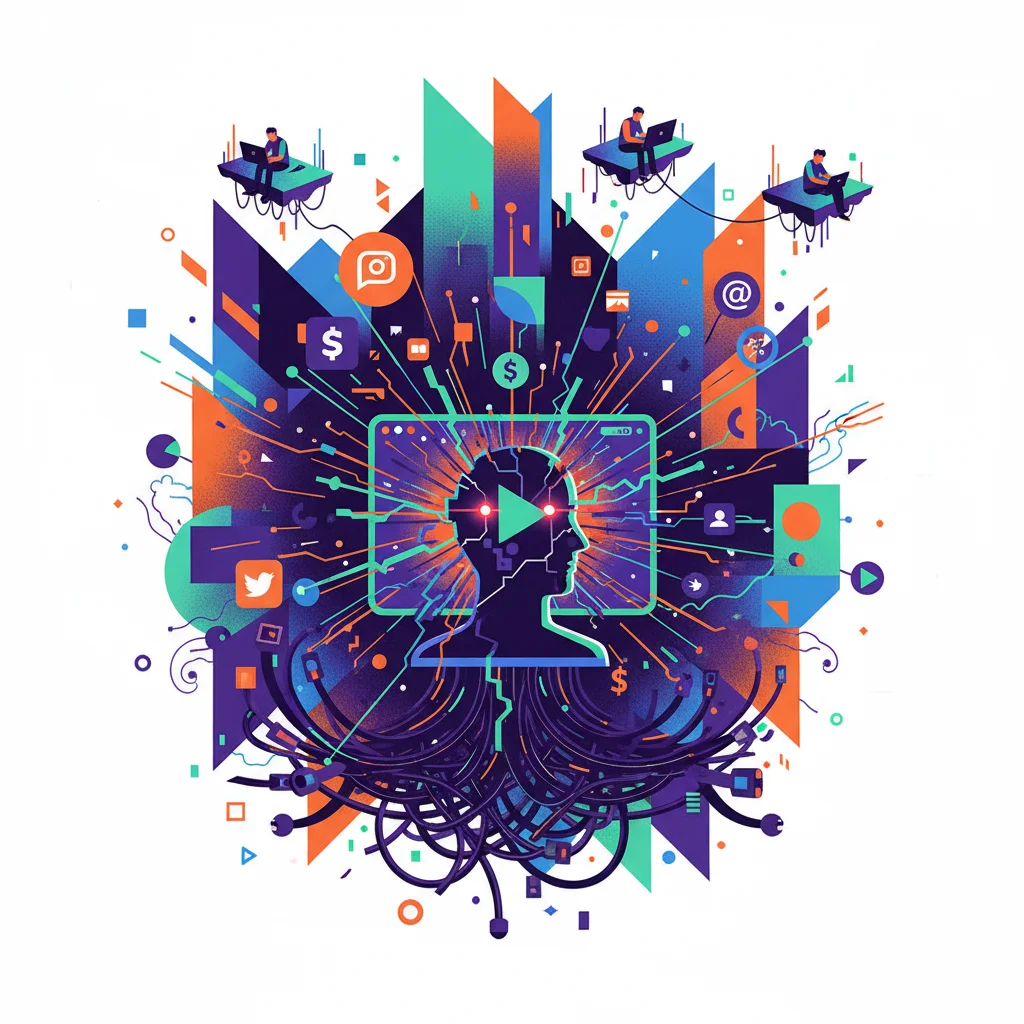
At the heart of every creator’s anxiety is the algorithm. Platforms like YouTube, Twitch, and TikTok are not neutral hosts; they are sophisticated ecosystems governed by complex machine learning models. These algorithms are designed for one primary goal: to maximize user engagement and watch time. To achieve this, they reward creators who feed them a constant stream of fresh, engaging content.
As Vixella highlighted, consistency is king. “If you were to take a week off, your channel would just die,” she explained, a sentiment echoed by creators across the board. This creates what many call the “algorithmic treadmill.” Stepping off for even a short break can lead to a drastic drop in visibility, as the algorithm deprioritizes your content in favor of more active channels. According to a 2021 study on creator burnout, over 80% of creators have experienced burnout due to the immense pressure to maintain a constant online presence.
This pressure isn’t unique to the creator world. It’s a mirror image of the “always-on” hustle culture prevalent in tech startups, where the mantra is to ship code, iterate, and grow at all costs. For creators, however, the product is deeply personal—it’s their face, their personality, their life. The demand for perpetual innovation isn’t about a new software feature; it’s about being endlessly entertaining, original, and available.
The Modern Creator’s Toolkit: Juggling SaaS, Security, and Sanity
Being a successful creator today means being a one-person media company. The job extends far beyond just creating content. It involves marketing, analytics, community management, accounting, and brand partnerships. This has given rise to a massive ecosystem of software and SaaS (Software as a Service) products designed to help creators manage their businesses. From video editing suites and streaming software to analytics dashboards and sponsorship CRMs, the modern creator’s tech stack is incredibly complex.
While these tools provide powerful capabilities, they also add another layer of complexity and cognitive load. Furthermore, as a creator’s profile grows, so does their vulnerability. They become prime targets for cyberattacks. The need for robust cybersecurity is no longer a concern just for large corporations. Creators face unique threats, including:
- Doxxing: The malicious publication of private information.
- Swatting: Making a false emergency report to send a SWAT team to a creator’s home.
- Account Hacking: Gaining unauthorized access to social media or financial accounts.
- Impersonation: Creating fake profiles to scam followers or damage a creator’s reputation.
This forces creators to become their own IT and security departments, a daunting task for anyone, let alone someone whose primary job is creative expression. Below is a look at the balancing act creators must perform daily.
| The Challenge | Underlying Technology | Potential Solutions & Innovations |
|---|---|---|
| Algorithmic Pressure | Machine Learning Recommendation Engines | AI-powered analytics tools for content strategy, automation for scheduling and repurposing content. |
| Audience Engagement | Live Chat, Social Media APIs, Cloud Infrastructure | AI chatbots for comment moderation, SaaS platforms for community management. |
| Cybersecurity Threats | Social Engineering, Malware, Data Breaches | Personalized cybersecurity services for influencers, multi-factor authentication, VPNs. |
| Business Operations | Payment Processors, Analytics Dashboards, CRM Software | All-in-one creator business platforms, AI-driven financial planning tools. |
The Double-Edged Sword of AI and Automation
The very technologies that contribute to the pressure cooker environment also hold the key to alleviating it. Artificial intelligence and automation are rapidly changing the game, offering powerful tools that can streamline workflows and free up creators to focus on what they do best: create.
Consider the potential benefits:
- AI-Powered Editing: Tools like Adobe Premiere Pro’s AI features or dedicated platforms like Descript can automatically cut silences, generate subtitles, and even clone a creator’s voice for quick audio corrections. This drastically reduces post-production time.
- Content Repurposing: Automation software can take a long-form YouTube video and automatically clip it into dozens of shorts for TikTok and Instagram, complete with captions and formatting. A task that once took hours can now be done in minutes.
- Data Analysis: Instead of manually sifting through analytics, AI can identify complex patterns in audience behavior, suggesting the best times to post, what topics resonate most, and how to optimize titles for maximum impact.
However, this technological arms race has a downside. The rise of generative AI means the volume of content is about to explode, making it even harder to stand out. A recent report from Goldman Sachs predicts that generative AI could automate tasks equivalent to 300 million full-time jobs, and the creative industry is at the forefront of this disruption. Furthermore, the misuse of AI for creating deepfakes or automated harassment campaigns presents a significant new cybersecurity challenge. The same programming that can help a creator can also be used to attack them.
The AI Revolution's Human-Sized Hole: Why Your Best Bot is Still a Person
Building a More Sustainable Creator Economy
The creator economy is not a fad; it’s a fundamental shift in how we work, entertain, and build communities. But for it to be sustainable, the industry must evolve beyond its current “growth-at-all-costs” mentality. The insights from creators like Vixella are not complaints; they are critical data points highlighting systemic flaws that need to be addressed.
So, what’s the path forward? It requires a multi-faceted approach:
- For Creators: Prioritize mental health as a core business metric. Diversify revenue streams to reduce reliance on algorithmic platforms. Embrace ethical automation to reclaim time and set firm boundaries between your online persona and your private life.
- For Tech Professionals and Startups: The creator economy is a massive, underserved market for B2B SaaS solutions. The next wave of successful startups will be those that solve the deep-seated problems of burnout, security, and administrative overload. This is a call for human-centric innovation.
- For Platforms: There’s a growing need for more transparent and forgiving algorithms. Building features that encourage and reward breaks, rather than punish them, would foster a healthier and more sustainable ecosystem for the very people their business models depend on.
The dream of being a content creator is still a beautiful one. But it’s time to build the infrastructure—both technological and cultural—to ensure that dream doesn’t turn into a nightmare. By focusing on sustainable practices, ethical technology, and a greater appreciation for the humans behind the content, we can build a creator economy that is as rewarding as it is entertaining.
Riding the Data Wave: How AI is Reshaping Our Fight Against Sea Level Rise