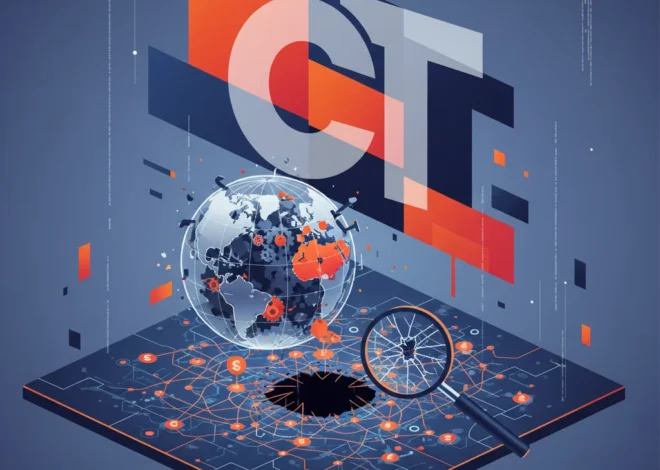
Code of Silence: The Terrifying Cost of Speaking Truth to Power in Tech
Imagine you’re a software developer, deep in the code of a groundbreaking new AI platform. You’re pushing the boundaries of innovation, fueled by caffeine and the thrill of creation. But then you find it. Not a bug, but a feature—a deeply flawed, biased algorithm in the machine learning model that could deny loans to people based on their postcode. Or maybe you’re a cybersecurity analyst at a fast-growing SaaS startup and you uncover a vulnerability so severe it leaves the personal data of millions of users on its cloud servers wide open. You raise the alarm internally. You’re ignored. Worse, you’re told to “stay in your lane” and “focus on the launch.”
What do you do? Do you stay silent, collect your paycheck, and hope for the best? Or do you speak up, knowing it could cost you your job, your reputation, and your career?
This isn’t a hypothetical dilemma. It’s the reality for whistleblowers, the unsung heroes who risk everything to expose wrongdoing. A recent report from the Financial Times sheds a stark light on the personal devastation faced by those who choose conscience over complicity. While the article focuses on cases outside of tech, the lessons are a chillingly relevant warning for everyone in our industry—from the junior programmer to the startup founder.
The Human Cost of a Clear Conscience
The FT article highlights the stories of individuals like Paul Moore, former head of risk at HBOS, who warned about dangerous sales practices years before the bank’s collapse. His reward? He was fired. Another whistleblower, a senior executive, exposed a massive fraud at their company, saving investors from ruin. The personal cost was immense, describing the experience as having their “life taken away” (source). They faced legal battles, financial ruin, and profound psychological trauma.
These stories paint a grim picture. The very people who act to protect the public and uphold integrity are often the ones who are punished most severely. They are ostracized, labeled as troublemakers, and often find themselves unemployable. This is the brutal paradox of whistleblowing: doing the right thing can systematically dismantle your life.
For tech professionals, the stakes are arguably higher than ever. Our work is not just about writing elegant code or designing intuitive interfaces. We are building the core infrastructure of modern society. The software we create, the AI we train, and the cloud systems we manage have real-world consequences. A flaw in a banking app’s automation can ruin someone’s credit. A security breach in a SaaS product can lead to identity theft. A biased machine learning algorithm can perpetuate systemic inequality.
From Mouse to Mind: Logitech's Audacious Plan to Become the "Hands of AI"
From “Move Fast and Break Things” to “Move Fast and Fix Things”
The tech industry, particularly the startup ecosystem, has long glorified a “move fast and break things” culture. This mantra encourages rapid innovation and disruption, but it can also create a high-pressure environment where ethical corners are cut and internal warnings are dismissed as obstacles to growth. When a company’s entire valuation is tied to user acquisition and shipping the next feature, who has time to listen to the cybersecurity expert warning about a potential data breach?
Consider these scenarios, all too plausible in today’s tech landscape:
- The AI Ethics Nightmare: A data scientist at a hot AI startup discovers the training data for their new hiring tool is heavily biased against women and minorities. They flag it, but the leadership team, under pressure from investors, decides to launch anyway, planning to “iterate” on the problem later.
- The SaaS Security Hole: A DevOps engineer at a B2B SaaS company finds a critical flaw in their cloud infrastructure that would allow clients to access each other’s sensitive data. Reporting it would mean delaying a major enterprise contract and admitting a failure in their innovation pipeline.
- The Programming Deception: A software developer is asked to write code that deliberately misrepresents a product’s capabilities to pass a regulatory check, a practice that borders on fraud.
In each case, the employee faces a choice. Speaking up could mean being blacklisted in a tight-knit industry. Staying silent means being complicit in causing potential harm.
Know Your Shield: Whistleblower Protection in the UK
If you find yourself in this impossible situation, it’s crucial to understand that you’re not entirely without protection. In the UK, the Public Interest Disclosure Act 1998 (PIDA) offers a legal shield for whistleblowers. However, this shield has its limits.
To be protected, a whistleblower must make a “protected disclosure.” This isn’t just any complaint; it has to meet specific criteria. Here’s a simplified breakdown of what that means:
| Requirement for Protection | What It Means in a Tech Context |
|---|---|
| Information, not an Opinion | You must disclose facts. “I believe our AI is unethical” is an opinion. “Our AI model was trained on dataset X, which excludes demographic Y, resulting in a 40% higher rejection rate for that group” is information. |
| Reasonable Belief | You must reasonably believe the information is true and that it shows one of the specified types of wrongdoing. You don’t have to be 100% certain, but you can’t rely on baseless rumors. |
| Public Interest | The issue must affect others, not just be a personal grievance about your employment contract. A major cybersecurity flaw affecting thousands of users is in the public interest. |
| Qualifying Disclosures | The wrongdoing must fall into one of six categories: a criminal offence, breach of a legal obligation, miscarriage of justice, danger to health and safety, damage to the environment, or concealment of any of these. |
Even if you meet these criteria, protection primarily means you can’t be unfairly dismissed or subjected to detriment for speaking up. It doesn’t guarantee you won’t face a grueling legal battle, financial hardship, or a damaged reputation. As the FT article makes clear, the legal framework is often a flimsy shield against the immense power of a corporation determined to silence a critic (source).
The AI Overlord Problem: Why "Helpful" Software Is Driving Us All Mad
Building a Culture Where Whistleblowing Isn’t Necessary
While legal protections are essential, the ultimate solution isn’t better laws; it’s better cultures. The goal for any forward-thinking tech company, especially startups aiming for sustainable growth, should be to create an environment where whistleblowing becomes obsolete.
How? By fostering genuine psychological safety. This means creating channels where employees can raise serious concerns without fear of retaliation. It’s about leaders who listen to bad news with curiosity, not anger. It’s about celebrating the team members who find problems, rather than punishing them.
Here are some actionable steps for the tech community:
- For Developers and Engineers: Champion ethical programming and peer review. When you see something questionable in the code or a potential vulnerability, document it and raise it constructively. Your professional integrity is your most valuable asset.
- For Founders and Entrepreneurs: From day one, build a transparent culture. Establish a clear, confidential process for reporting concerns that goes beyond a token HR policy. Frame ethical and security reviews not as roadblocks to innovation, but as essential components of it.
- For Tech Leaders and Managers: Actively solicit dissenting opinions. When an employee brings you a problem, thank them. Protect them. Your reaction sets the tone for the entire organization. If you shoot the messenger, you’ll soon be surrounded by people who only tell you what you want to hear, right up until the moment your platform suffers a catastrophic failure.
Cosmic Rays vs. Code: Why 6,000 Airbus Jets Need a Software Patch and What It Teaches the Tech World
The Ultimate Code Review
The stories of whistleblowers are a stark reminder that the most important code we write isn’t in Python or JavaScript; it’s our code of conduct. The relentless pursuit of innovation in areas like artificial intelligence, SaaS, and automation cannot be divorced from our fundamental responsibility to do no harm.
The personal cost of speaking up is currently far too high, creating a culture of silence that puts us all at risk. As an industry, we have a choice. We can continue to create environments where people are terrified to speak the truth, or we can build organizations that are strong enough to hear it. The latter is not just the ethical choice; it’s the only one that leads to sustainable success.

Related Posts
Cracks in Confidence: How a Nuclear Scandal Shakes Japan’s Economy and Investor Trust
The Politicization of the Portfolio: How State Interference Puts US Companies and Investors at Risk