India’s ‘Super App’ Mandate: A New Era of Digital Governance or a Privacy Nightmare?
Imagine picking up a brand new smartphone, peeling off the plastic, and finding a government-mandated application already installed, one you can’t delete. This isn’t a scene from a dystopian novel; it’s a potential reality brewing in one of the world’s largest digital markets. India is reportedly considering a rule that would require all new smartphones sold in the country to come pre-installed with a government-developed app, a move that’s sending shockwaves through the tech industry and raising red flags for privacy advocates.
This proposal sits at a fascinating and contentious crossroads of national security, technological innovation, citizen services, and personal privacy. For developers, entrepreneurs, and tech professionals, this isn’t just a news story from afar—it’s a case study in the evolving relationship between governments and the powerful software that runs our lives. Let’s unpack what this means for the future of mobile technology, cybersecurity, and the booming Indian startup scene.
The Proposal: A Digital Gateway to “New India”?
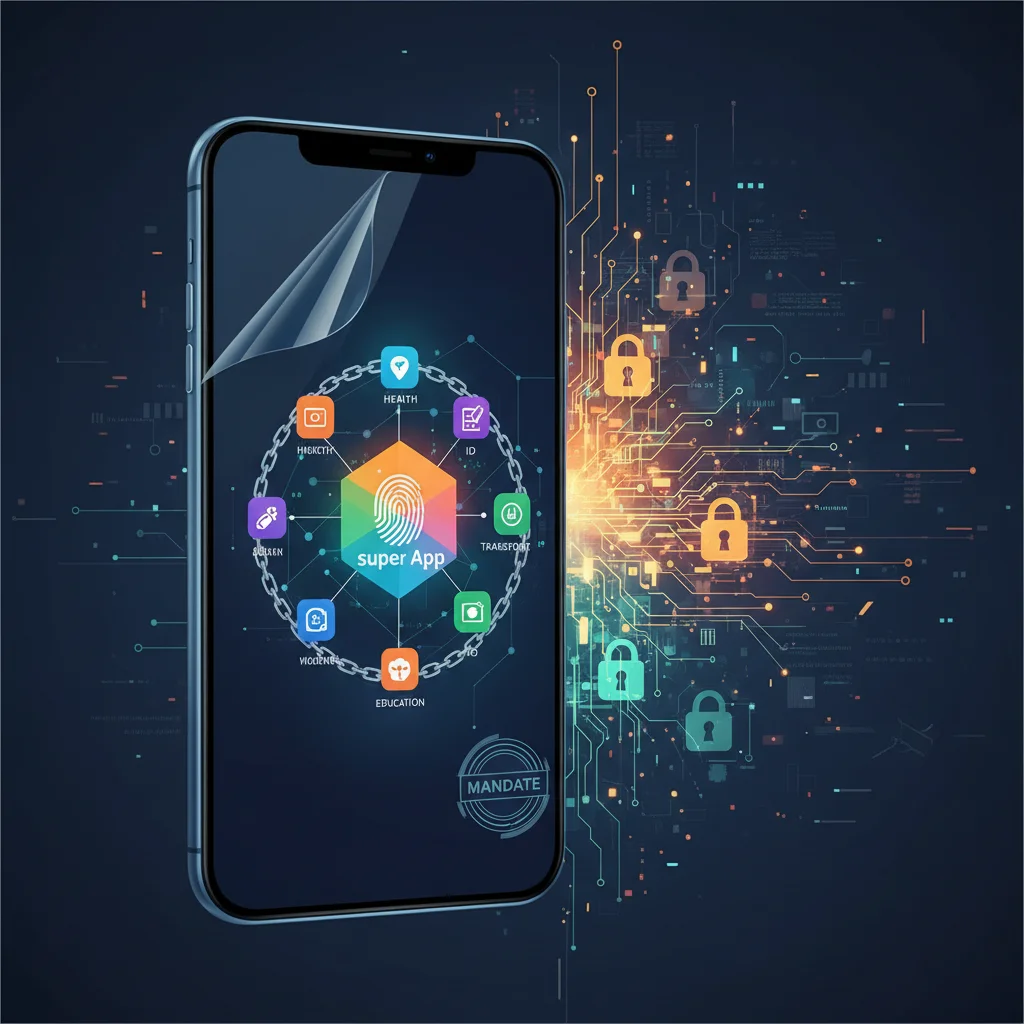
At its core, the Indian government’s proposal, as reported by the Financial Times, aims to create a unified digital interface for its citizens. The idea is to have a single, mandatory piece of software on every device, potentially serving as a one-stop-shop for government services, digital identity, payments, and public announcements. Think of it as a state-sponsored “super app” with unparalleled reach.
From the government’s perspective, the logic is clear. A unified app could streamline the delivery of public services, enhance national security by creating a trusted communication channel, and accelerate the country’s push towards a digital-first economy. This kind of large-scale automation of citizen services could, in theory, reduce bureaucracy and improve efficiency. However, the mechanism for this—forcing hardware manufacturers to bake the app into their devices—is where the controversy begins.
The Alarms Are Ringing: Cybersecurity and Privacy at Stake
For privacy advocates and cybersecurity experts, the proposal is a Pandora’s box of potential problems. Mandating a single app with deep access to a device’s operating system creates a massive, centralized target for malicious actors. A single vulnerability in this government software could potentially expose the personal data of hundreds of millions of users.
The concerns go beyond external threats. Critics argue that such an app could become a powerful tool for state surveillance. What data will it collect? Will it track user location, monitor communications, or access personal files? Without transparent and robust data protection laws, the potential for misuse is significant. Privacy advocates have raised concerns that this could enable “potential snooping” on a national scale, a fear highlighted in the initial reports. This isn’t just about data; it’s about the fundamental balance of power between the state and the individual in an increasingly digital world.
From a UK Suburb to a Tehran Lab: Is Your Tech the Next Geopolitical Liability?
The Role of AI and Machine Learning: Efficiency Engine or Surveillance Tool?
This is where the conversation gets even more complex and futuristic. A government app installed on nearly every smartphone in a nation of 1.4 billion people would generate an unimaginable amount of data. This data is the fuel for modern artificial intelligence and machine learning algorithms.
Here’s how this powerful AI could be used:
- Predictive Governance: Machine learning models could analyze anonymized data to predict disease outbreaks, traffic congestion, or resource shortages, allowing for proactive government intervention.
- Personalized Services: The app could use AI to deliver hyper-personalized information, such as notifying a citizen about a specific subsidy they are eligible for or a local infrastructure project that will affect them.
- Enhanced Security: AI algorithms could be used to detect and flag fraudulent activities or security threats in real-time.
However, the same technology could be used for more concerning purposes. AI-driven systems could be used to create sophisticated profiles of citizens, monitor dissent, or even implement a social credit-style system. The line between a helpful digital assistant and an intrusive digital overseer is incredibly thin, and it’s defined by policy, transparency, and the underlying programming of the system.
A Rock and a Hard Place for Big Tech and Startups
This proposal puts global tech giants like Apple and Google in an extremely difficult position. Their brands are built on promises of user privacy and security. Forcing them to pre-install an app that could potentially compromise those values creates a direct conflict with their core business principles. Refusing to comply could mean losing access to India’s massive and still-growing smartphone market, which saw shipments of 161 million units in 2021 alone.
For India’s vibrant startups, the implications are equally complex. While some might see an opportunity to build services that integrate with the government’s platform, many fear it will create an uneven playing field. How can a new startup compete with a government app that’s on every phone by default? It could centralize digital identity, payments, and other key services, making the government the ultimate gatekeeper of the digital economy.
To better understand the multifaceted nature of this issue, let’s break down the potential pros and cons from the perspectives of the key stakeholders involved.
| Stakeholder | Potential Pros (The “Official” Narrative) | Potential Cons (The “Critical” View) |
|---|---|---|
| The Government | Streamlined delivery of services, enhanced national security, direct communication channel to citizens, drives digital economy. | Potential for overreach, public backlash, technical implementation challenges, diplomatic issues with tech companies. |
| The Citizen | Easy access to government services, potential for simplified digital identity, timely public safety alerts. | Major privacy erosion, risk of state surveillance, lack of choice, potential for data breaches, single point of failure. |
| Tech Companies (Apple/Google) | Continued access to the Indian market by complying. | Compromises core principles of privacy and user choice, sets a dangerous global precedent, potential brand damage. |
| Developers & Startups | Potential to build services on a new government platform. | Stifled competition, unfair advantage for the state app, reduced market for independent innovation in key sectors. |
The Anatomy of a Modern Heist: How a Years-Old Data Leak Fueled a £13,000 Phone Hack
The Technical Hurdle: More Than Just an App Install
From a technical standpoint, this is not a simple request. Pre-installing an application is one thing, but giving it the kind of deep, system-level access it would likely need to function as a “super app” is another. This would require close collaboration with OS developers at Google (Android) and Apple (iOS). It could involve creating special APIs or granting permissions that are typically off-limits to third-party developers for security reasons.
This level of integration raises the stakes for cybersecurity exponentially. Any flaw in the app’s code or the underlying cloud infrastructure that supports it could be catastrophic. It would require a monumental effort in secure programming, continuous security audits, and a transparent process for addressing vulnerabilities—areas where government tech projects have historically faced challenges.
The Great Reskilling: Why AI Is Erasing Millions of UK Jobs Faster Than You Think
Conclusion: A Defining Moment for Digital Freedom
India’s proposed mandatory app is more than just a piece of software; it’s a symbol of the growing tension between national governance and the borderless nature of the digital world. It forces us to ask fundamental questions: How much control should a government have over the devices in our pockets? Where do we draw the line between public good and personal privacy? And what role should the tech industry play in enforcing—or resisting—these mandates?
For the global tech community, this is a critical moment to watch. The outcome could influence digital policy in other countries, reshaping the mobile landscape for years to come. Whether this initiative becomes a model for efficient digital governance or a cautionary tale of government overreach, one thing is certain: the debate over who controls our smartphones is just getting started.